About This Episode
In this episode of Reimagining Company Culture, we’re chatting with Oladosu Teyibo, Founder & CEO of Analog Teams. Oladosu’s work drives innovation in Africa's tech industry and positions Africa as the next central outsourcing hub. Tune in to learn Oladosu’s thoughts on operationalizing asynchronous work, philosophies around working with human resources teams, leading with a people-first mentality, and more!
About The Guest
Oladosu Teyibo (O-La-Doe-Shoe Tay-yee-bo) is a visionary thought leader, entrepreneur, and founder and CEO of Analog Teams. Through Analog Teams and various strategic initiatives, he has been able to drive innovation in Africa's tech industry and position Africa as the next central outsourcing hub. He empowers fellow entrepreneurs through angel investing, which has connected him with black-owned businesses such as Froetry and the Urban Planning Growth and Sustainability Initiative (UPGS). His guiding principle is that excellence is defined by consistency and superb delivery, and he applies this to his vision for Analog.
Episode Breakdown

On a recent episode of Reimagining Company Culture, the conversation turned to supporting the whole person at work across global teams. The guest, Oladosu Teyibo, brought direct experience to the topic from their day-to-day work, and the conversation moved past the talking points most People teams have heard a hundred times. This recap pulls the practical thread of the discussion together and translates it into the workflows HR leaders are running today.

Oladosu's background sets the context for how Oladosu thinks about this work. Oladosu Teyibo (O-La-Doe-Shoe Tay-yee-bo) is a visionary thought leader, entrepreneur, and founder and CEO of Analog Teams. Through Analog Teams and various strategic initiatives, he has been able to drive innovation in Africa's tech industry and position Africa as the next central outsourcing hub. He enables fellow entrepreneurs through angel investing, which has connected him. That experience shapes the perspective the episode brings to supporting the whole person at work across global teams, and the recap below stays grounded in the workflows leaders are running, not abstractions.

The conversation touches on the basics any People team is already managing, including workplace wellness programs and work-life balance practices. The recap below assumes that grounding and focuses on the operating moves leaders make on top of it.

Most of the framework below holds up across industries and company stages. The specifics vary; the underlying mechanics rarely do.

What whole-person support looks like across distributed teams

Whole-person support is a phrase most companies use and few operationalize. The version that lands in employees' lives includes mental health benefits, flexible time, financial support during life events, and a culture where managers ask about life outside work without making it transactional.

Oladosu's work building global teams across Africa and the U.S. surfaces the cross-border version of the same problem. The benefits markets, the cultural norms, and the legal frameworks vary by country. The principle of whole-person support is universal; the implementation is local. McKinsey thriving workplaces analysis research finds that whole-person workplace investments produce significant productivity and retention gains across markets.

How leaders work through supporting the whole person at work across global teams

How do you build whole-person support without overreaching?

By offering, not asking. Whole-person programs work when employees can opt in to support without disclosing details. They fail when participation requires disclosure that the employee is not ready to make.

The line is in design. Generous benefits, flexible policies, and trained managers create the environment. Employees decide what to use and what to share.

How do you adapt whole-person support across countries?

By respecting local norms while maintaining global minimums. The minimum standard, health coverage, mental health access, parental leave, time off, applies everywhere. The implementation reflects local context. A program designed in San Francisco rarely lands in Lagos or Mumbai without adaptation.

Companies that try to standardize implementation without adapting it produce programs that look uniform on paper and fail in practice.

What actually works in practice

The pattern across companies that handle supporting the whole person at work across global teams well comes down to three operational habits.

  • Set global minimums, adapt local implementation. Universal principles, local execution. The opposite, local principles, universal execution, fails everywhere.
  • Make participation possible without disclosure. Disclosure-required benefits exclude the people most likely to need them.
  • Train managers on cultural norms across markets. Managers who lead across markets without cultural training default to their home culture and lose the rest.

None of these are aspirational. They are checklists the strongest People teams run on a cadence, and the consistency is what makes the difference.

What looks like a culture decision from the outside is usually the cumulative effect of those three habits, applied without theatrics.

This pattern shows up alongside familiar tools like remote employee management. The combination is what makes the operating model durable.

Where Employee Relations fits

AllVoices human resources solution programs at global scale rely on infrastructure that respects regional differences. AllVoices HR case management platform workflows account for varying legal frameworks. AllVoices for compliance teams programs handle local regulatory requirements.

The companies pulling this off rarely run it on memory. They run it on infrastructure. AllVoices HR case management platform centralizes the case data; AllVoices data and insights dashboard surfaces the patterns nobody catches manually; AllVoices Vera AI co-pilot for ER teams accelerates the response time so the work is finishable. Together they cover the operating layer that this episode keeps pointing at.

How does ER work across multiple jurisdictions?

By centralizing the workflow and localizing the standards. AllVoices Vera AI co-pilot keeps documentation consistent. AllVoices HR case management platform flags the regional standards that apply to specific cases. The result is a globally consistent process with locally compliant outcomes.

The supporting research is consistent. Independent analysis from McKinsey research on people-led hypergrowth points the same direction the episode does. The combination of operating discipline and outside data is what gets People leaders past the slogan stage.

For a concrete example of how this plays out at scale, look at Intercom's people-first culture story, which shows the same operational pattern in a real customer environment.

The takeaway holds across companies of different sizes and industries. The teams that turn this episode's lesson into operating practice are the ones that name a target metric, run it on a cadence, and refuse to let activity stand in for outcomes. The metric does not have to be elaborate. It has to be visible to the people who can move it, and reviewed often enough that nothing falls off the radar for a quarter.

The other consistent pattern is that the work compounds. Year one of any of these practices feels like overhead. Year three is when the retention, engagement, and case-data signals start telling a clearly different story. People leaders who hold the line through the early part of the curve tend to be the ones who have the receipts when leadership asks for evidence later.

Frequently Asked Questions About Supporting The Whole Person At Work Across Global Teams

How do you handle benefits parity across countries?

By setting global minimums and adapting implementation. Strict parity ignores local cost-of-living, healthcare access, and tax differences. Strict localization produces inequities. The middle path is principles plus regional design.

Should remote workers in different countries have the same compensation?

Most companies use cost-of-labor or cost-of-living adjustments rather than strict location parity. The choice is consequential and should be documented; informal pay decisions across countries produce drift.

How do you manage performance across cultures?

With shared standards and culturally aware delivery. Direct feedback styles that work in some markets land badly in others. The standard is the same; the form changes.

Are global engagement surveys reliable?

Yes, with localization. Direct translation tends to lose nuance; localized translation maintains it. The benchmarking value is in cross-market comparisons, which require careful question design.

What's the most common global People mistake?

Centralizing too much or localizing too much. The right balance varies by company; the absence of a deliberate balance produces the worst outcomes.

The Bottom Line for HR Leaders

Oladosu's work across continents lands at the same finding repeatedly. Whole-person support is universal in principle and local in execution. The companies that learn the difference scale globally without losing humanity.

The investment is small per market. The compounding across markets is the whole story.

See how AllVoices supports the kind of culture work this episode is about.
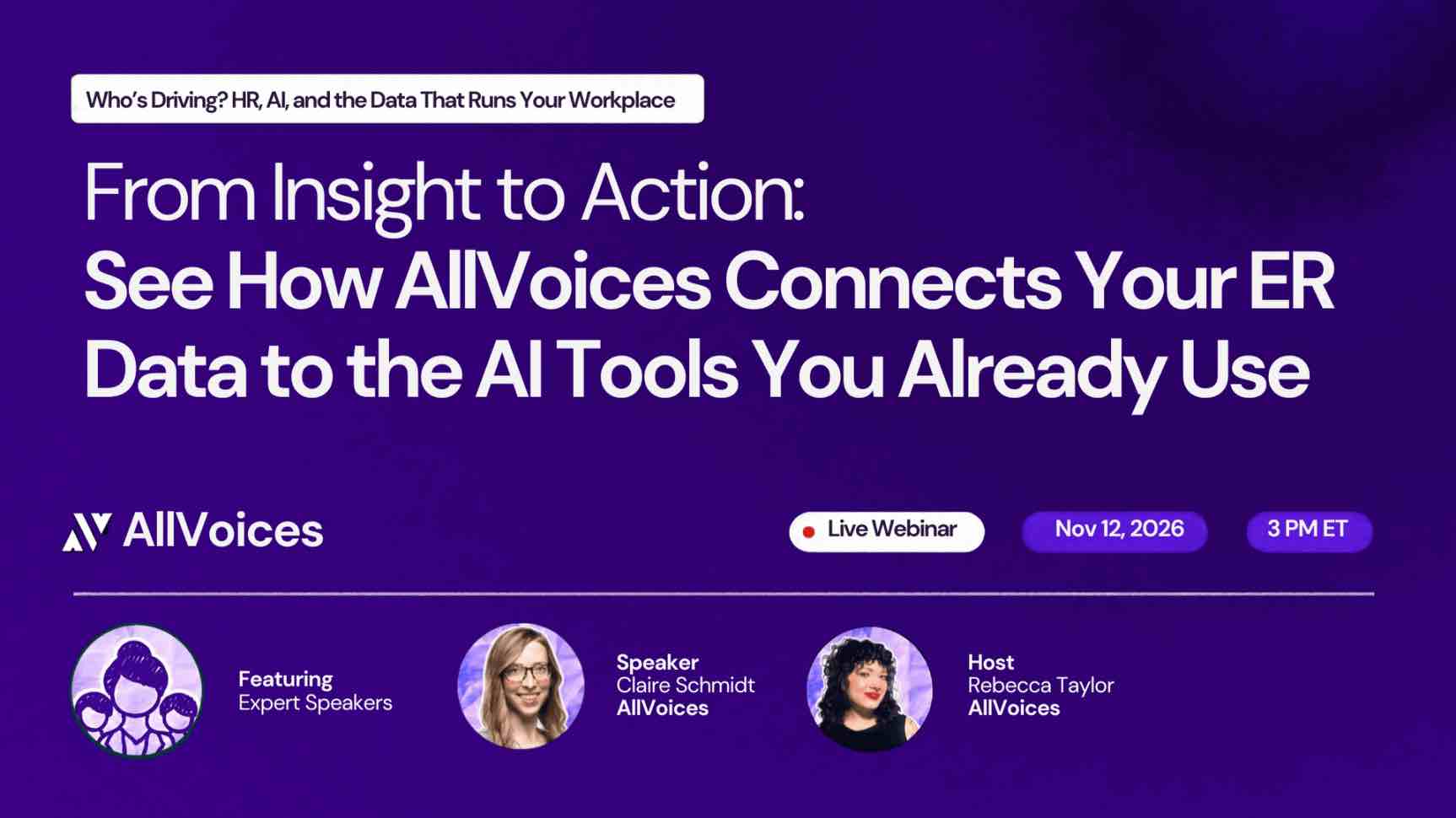
Our next webinar
Frequently asked questions

Got more questions? Email us at support@allvoices.co and we'll respond ASAP.

No items found.
Frequently asked questions

Got more questions? Email us at support@allvoices.co and we'll respond ASAP.

No items found.
Caring About the Whole Person with Oladosu Teyibo, Founder & CEO of Analog Teams
Episode 381
About This Episode
In this episode of Reimagining Company Culture, we’re chatting with Oladosu Teyibo, Founder & CEO of Analog Teams. Oladosu’s work drives innovation in Africa's tech industry and positions Africa as the next central outsourcing hub. Tune in to learn Oladosu’s thoughts on operationalizing asynchronous work, philosophies around working with human resources teams, leading with a people-first mentality, and more!
About The Guest
Oladosu Teyibo (O-La-Doe-Shoe Tay-yee-bo) is a visionary thought leader, entrepreneur, and founder and CEO of Analog Teams. Through Analog Teams and various strategic initiatives, he has been able to drive innovation in Africa's tech industry and position Africa as the next central outsourcing hub. He empowers fellow entrepreneurs through angel investing, which has connected him with black-owned businesses such as Froetry and the Urban Planning Growth and Sustainability Initiative (UPGS). His guiding principle is that excellence is defined by consistency and superb delivery, and he applies this to his vision for Analog.
Episode Transcription

On a recent episode of Reimagining Company Culture, the conversation turned to supporting the whole person at work across global teams. The guest, Oladosu Teyibo, brought direct experience to the topic from their day-to-day work, and the conversation moved past the talking points most People teams have heard a hundred times. This recap pulls the practical thread of the discussion together and translates it into the workflows HR leaders are running today.

Oladosu's background sets the context for how Oladosu thinks about this work. Oladosu Teyibo (O-La-Doe-Shoe Tay-yee-bo) is a visionary thought leader, entrepreneur, and founder and CEO of Analog Teams. Through Analog Teams and various strategic initiatives, he has been able to drive innovation in Africa's tech industry and position Africa as the next central outsourcing hub. He enables fellow entrepreneurs through angel investing, which has connected him. That experience shapes the perspective the episode brings to supporting the whole person at work across global teams, and the recap below stays grounded in the workflows leaders are running, not abstractions.

The conversation touches on the basics any People team is already managing, including workplace wellness programs and work-life balance practices. The recap below assumes that grounding and focuses on the operating moves leaders make on top of it.

Most of the framework below holds up across industries and company stages. The specifics vary; the underlying mechanics rarely do.

What whole-person support looks like across distributed teams

Whole-person support is a phrase most companies use and few operationalize. The version that lands in employees' lives includes mental health benefits, flexible time, financial support during life events, and a culture where managers ask about life outside work without making it transactional.

Oladosu's work building global teams across Africa and the U.S. surfaces the cross-border version of the same problem. The benefits markets, the cultural norms, and the legal frameworks vary by country. The principle of whole-person support is universal; the implementation is local. McKinsey thriving workplaces analysis research finds that whole-person workplace investments produce significant productivity and retention gains across markets.

How leaders work through supporting the whole person at work across global teams

How do you build whole-person support without overreaching?

By offering, not asking. Whole-person programs work when employees can opt in to support without disclosing details. They fail when participation requires disclosure that the employee is not ready to make.

The line is in design. Generous benefits, flexible policies, and trained managers create the environment. Employees decide what to use and what to share.

How do you adapt whole-person support across countries?

By respecting local norms while maintaining global minimums. The minimum standard, health coverage, mental health access, parental leave, time off, applies everywhere. The implementation reflects local context. A program designed in San Francisco rarely lands in Lagos or Mumbai without adaptation.

Companies that try to standardize implementation without adapting it produce programs that look uniform on paper and fail in practice.

What actually works in practice

The pattern across companies that handle supporting the whole person at work across global teams well comes down to three operational habits.

  • Set global minimums, adapt local implementation. Universal principles, local execution. The opposite, local principles, universal execution, fails everywhere.
  • Make participation possible without disclosure. Disclosure-required benefits exclude the people most likely to need them.
  • Train managers on cultural norms across markets. Managers who lead across markets without cultural training default to their home culture and lose the rest.

None of these are aspirational. They are checklists the strongest People teams run on a cadence, and the consistency is what makes the difference.

What looks like a culture decision from the outside is usually the cumulative effect of those three habits, applied without theatrics.

This pattern shows up alongside familiar tools like remote employee management. The combination is what makes the operating model durable.

Where Employee Relations fits

AllVoices human resources solution programs at global scale rely on infrastructure that respects regional differences. AllVoices HR case management platform workflows account for varying legal frameworks. AllVoices for compliance teams programs handle local regulatory requirements.

The companies pulling this off rarely run it on memory. They run it on infrastructure. AllVoices HR case management platform centralizes the case data; AllVoices data and insights dashboard surfaces the patterns nobody catches manually; AllVoices Vera AI co-pilot for ER teams accelerates the response time so the work is finishable. Together they cover the operating layer that this episode keeps pointing at.

How does ER work across multiple jurisdictions?

By centralizing the workflow and localizing the standards. AllVoices Vera AI co-pilot keeps documentation consistent. AllVoices HR case management platform flags the regional standards that apply to specific cases. The result is a globally consistent process with locally compliant outcomes.

The supporting research is consistent. Independent analysis from McKinsey research on people-led hypergrowth points the same direction the episode does. The combination of operating discipline and outside data is what gets People leaders past the slogan stage.

For a concrete example of how this plays out at scale, look at Intercom's people-first culture story, which shows the same operational pattern in a real customer environment.

The takeaway holds across companies of different sizes and industries. The teams that turn this episode's lesson into operating practice are the ones that name a target metric, run it on a cadence, and refuse to let activity stand in for outcomes. The metric does not have to be elaborate. It has to be visible to the people who can move it, and reviewed often enough that nothing falls off the radar for a quarter.

The other consistent pattern is that the work compounds. Year one of any of these practices feels like overhead. Year three is when the retention, engagement, and case-data signals start telling a clearly different story. People leaders who hold the line through the early part of the curve tend to be the ones who have the receipts when leadership asks for evidence later.

Frequently Asked Questions About Supporting The Whole Person At Work Across Global Teams

How do you handle benefits parity across countries?

By setting global minimums and adapting implementation. Strict parity ignores local cost-of-living, healthcare access, and tax differences. Strict localization produces inequities. The middle path is principles plus regional design.

Should remote workers in different countries have the same compensation?

Most companies use cost-of-labor or cost-of-living adjustments rather than strict location parity. The choice is consequential and should be documented; informal pay decisions across countries produce drift.

How do you manage performance across cultures?

With shared standards and culturally aware delivery. Direct feedback styles that work in some markets land badly in others. The standard is the same; the form changes.

Are global engagement surveys reliable?

Yes, with localization. Direct translation tends to lose nuance; localized translation maintains it. The benchmarking value is in cross-market comparisons, which require careful question design.

What's the most common global People mistake?

Centralizing too much or localizing too much. The right balance varies by company; the absence of a deliberate balance produces the worst outcomes.

The Bottom Line for HR Leaders

Oladosu's work across continents lands at the same finding repeatedly. Whole-person support is universal in principle and local in execution. The companies that learn the difference scale globally without losing humanity.

The investment is small per market. The compounding across markets is the whole story.

See how AllVoices supports the kind of culture work this episode is about.

Want to learn more?
See the power of AllVoices today
Thank you! We look forward to meeting you soon
Oops! Something went wrong while submitting the form.
Frequently asked questions

Got more questions? Email us at support@allvoices.co and we'll respond ASAP.

No items found.
Frequently asked questions

Got more questions? Email us at support@allvoices.co and we'll respond ASAP.

No items found.