About This Episode
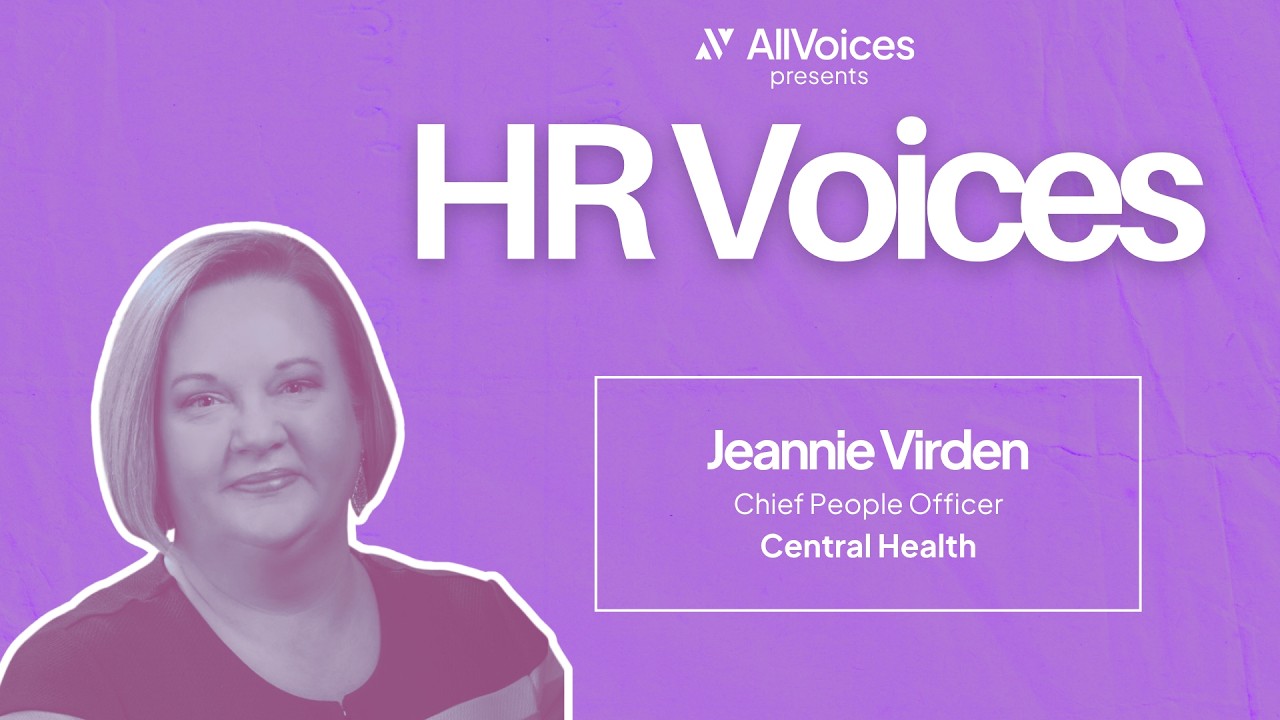
An employee has an approved work-from-home accommodation, and three months later her manager wants to move to a performance improvement plan. Rebecca Taylor and Jeannie Virden, Chief People Officer at Central Health, unpack why the accommodation is often a distraction from the real issue, how unstated remote expectations set people up to fail, and what documentation a PIP actually requires. Jeannie makes the case that strong HR slows managers down and asks for the paper trail.
About The Guest
Jeannie Virden is Chief People Officer at Central Health, the public healthcare district serving Travis County, Texas. She works on the unglamorous half of employee relations — whether the expectation was ever written down, whether the documentation exists, whether the manager can show the conversation happened. Her view of a strong HR function is one that slows managers down at exactly the moment they want to move fast, and reframes a vague “you could” into a specific, evidenced ask.
Episode Breakdown

The accommodation was approved three months ago: full-time remote work for an employee whose anxiety disorder is documented. Now her manager says the remote performance is inadequate and wants to open a performance improvement plan. On HR Voices, host Rebecca Taylor asked Jeannie Virden, Chief People Officer at Central Health, where she would start. The question underneath is whether the plan can proceed without reading as punishment for the accommodation.

Jeannie did not begin with the employee’s output. She began with three things the scenario leaves blank: the terms of the accommodation, the expectations that came with remote work, and the written record of any conversation since. Her position is that nobody can be measured against a standard that was never set.

Why the First Stop Is the Leaves Team

Asked what looked riskiest, Jeannie pointed to the accommodation itself. The scenario says the employee works from home full-time and stops there. Whether other provisions came with the arrangement is unknown, and that silence worried her most.

So the first conversation is with her leaves team, to learn the parameters of the approved reasonable accommodation and whether hours, expectations, or job duties changed with it. EEOC technical assistance on working at home as an accommodation says an employer does not have to lower production standards for an employee with a disability who works at home. HR still has to know what the standard was.

Next comes what Jeannie calls the employee’s “story with our organization,” meaning time in the role, time under this manager, and the last review. Only then does she go to the manager, to ask how long the person has managed and whether anyone taught the skills a remote manager needs.

What Ninety Days Can and Cannot Show

Rebecca asked whether three months is long enough to judge someone whose arrangement just changed. Jeannie said yes, with a condition. She put the window at “90 days, more or less,” and compared it to a new hire’s first 90 days, which typically end in a review.

The condition is knowing what happened inside the window. If the gap is a skill, the next question is what the manager did about it while the 90 days ran. Jeannie also tests a less flattering explanation. The manager may find a fully remote employee inconvenient when everyone else is on site. “We see a lot of that,” she said.

A plan is not where the process starts, either. “You never want the team member to be surprised,” Jeannie said. Rebecca noted that a PIP is built to improve performance, but “it has a brand.” Most employees, Jeannie agreed, hear a plan as proof that “they want me out of the organization.”

What Actually Works

Ask for the Paper Trail Before the Plan

Leaders often tell Jeannie they have already talked to the employee. Her reply is to ask where the documentation is. A follow-up email will do: “Thank you for our time today. As we discussed X, Y, and Z.”

The concern has to rest on “verifiable skills or concerns or issues,” not on a report that the output is missing. “I need concrete details,” she said. A plan has to state where the employee is and where the employee needs to be, which is what makes a PIP record that holds up.

Set the Expectation Before Measuring Against It

Rebecca named the mechanism. In a culture built on visibility, people are assumed to be working because they are in the building. Remote employees end up owing extra communication that no job description lists and no one states out loud.

Jeannie asks the leader what expectations were set, such as “a daily report or a daily check-in.” Gallup reported in January 2025 that just 46 percent of U.S. employees clearly know what is expected of them at work, down from 56 percent in March 2020.

Where the expectation was never stated, Jeannie will not approve a plan. The manager gets “a different type of meeting,” one that sets the parameters. If the employee then ignores them, there will be “a different conversation later on.”

Give the Feedback and Change the Delivery

Rebecca raised a pattern from earlier HR work. A manager learns about an employee’s anxiety disorder, fears making it worse, and stops giving feedback altogether. Jeannie put the reaction in the manager’s words: “I feel paralyzed.”

Going quiet is not an option, because “to be fair to all of your team members, you do have to give them feedback.” The delivery is what flexes. She tells managers to check their tone and body language, then pause to ask how the person is feeling. An AllVoices webinar on performance conversations with empathy argues that a plan does not have to be dehumanizing.

Where Employee Relations Fits

Asked what would prevent the next case, Jeannie answered “training and education.” Too many organizations promote a strong individual contributor and then say, in her words, “go ahead, lead.” She wants toolkits, role-play on hard conversations, and instruction on how the accommodation process works. That is the gap management training for new leaders exists to close.

Her second example is intermittent leave under the Family and Medical Leave Act. A manager writes someone up for attendance without checking how many absences were protected. The Department of Labor lists using FMLA leave as a negative factor in disciplinary actions among its examples of prohibited conduct.

Jeannie tells managers who are unsure to come to her people partners or leaves team first. “We would rather guide up front,” she said. Rebecca would add a record for each accommodation that goes past the doctor’s note, the kind kept by teams that manage accommodation requests in one workflow.

Frequently Asked Questions About Remote Work Accommodations and PIPs

Is 90 Days Long Enough to Judge Performance After a Remote Work Accommodation?

Yes, in Jeannie’s view, because it matches the review window a new hire typically gets. The condition is knowing what the manager tried during those 90 days.

What Documentation Should HR Ask for Before Approving a PIP?

Written proof that the conversations happened. Jeannie accepts a follow-up email after each discussion, along with a concern tied to specific, verifiable skills.

Should an Employee Be Put on a PIP for Expectations Nobody Stated?

No. Jeannie would hold a different meeting first, one that sets the expectation, such as a daily check-in. A plan comes later, and only if the stated expectation is ignored.

Does an Accommodation Mean a Manager Should Hold Back Feedback?

No. Jeannie says fairness to every team member requires feedback, and what changes is the delivery. Watch your tone, and pause to ask how the person is feeling.

Can a Manager Discipline Attendance That Includes Intermittent FMLA Leave?

Not for the protected absences. Jeannie’s example is a manager who writes up attendance without tracking which days were FMLA leave. The Department of Labor lists using FMLA leave as a negative factor in discipline among its examples of prohibited conduct.

The Bottom Line for HR Leaders

Jeannie Virden’s framing of the function is that HR is not a “paper pushing, policy following” department. Some of what it asks of managers is required by law, some by policy, and some is, in her words, “just the right thing to do.”

She works in Texas, an at-will employment state, where managers tell her they can let anyone go at any time. Her reply is “not necessarily.” A claim costs time, money, and effort to defend “even if you are right in the end.” Rebecca’s version is that a manager could, and the better question is whether a manager should.

Jeannie’s usual answer to what she would do is “it depends.” Here it depends on whether anyone set the expectation and wrote it down.

See how AllVoices supports People teams that document accommodations, expectations, and performance plans in one record.
Our next webinar
Frequently asked questions

Got more questions? Email us at support@allvoices.co and we'll respond ASAP.

No items found.
Frequently asked questions

Got more questions? Email us at support@allvoices.co and we'll respond ASAP.

No items found.

The Expectations Nobody Wrote Down

About the guest

Jeannie Virden is Chief People Officer at Central Health, the public healthcare district serving Travis County, Texas. She works on the unglamorous half of employee relations — whether the expectation was ever written down, whether the documentation exists, whether the manager can show the conversation happened. Her view of a strong HR function is one that slows managers down at exactly the moment they want to move fast, and reframes a vague “you could” into a specific, evidenced ask.

Episode Breakdown

The accommodation was approved three months ago: full-time remote work for an employee whose anxiety disorder is documented. Now her manager says the remote performance is inadequate and wants to open a performance improvement plan. On HR Voices, host Rebecca Taylor asked Jeannie Virden, Chief People Officer at Central Health, where she would start. The question underneath is whether the plan can proceed without reading as punishment for the accommodation.

Jeannie did not begin with the employee’s output. She began with three things the scenario leaves blank: the terms of the accommodation, the expectations that came with remote work, and the written record of any conversation since. Her position is that nobody can be measured against a standard that was never set.

Why the First Stop Is the Leaves Team

Asked what looked riskiest, Jeannie pointed to the accommodation itself. The scenario says the employee works from home full-time and stops there. Whether other provisions came with the arrangement is unknown, and that silence worried her most.

So the first conversation is with her leaves team, to learn the parameters of the approved reasonable accommodation and whether hours, expectations, or job duties changed with it. EEOC technical assistance on working at home as an accommodation says an employer does not have to lower production standards for an employee with a disability who works at home. HR still has to know what the standard was.

Next comes what Jeannie calls the employee’s “story with our organization,” meaning time in the role, time under this manager, and the last review. Only then does she go to the manager, to ask how long the person has managed and whether anyone taught the skills a remote manager needs.

What Ninety Days Can and Cannot Show

Rebecca asked whether three months is long enough to judge someone whose arrangement just changed. Jeannie said yes, with a condition. She put the window at “90 days, more or less,” and compared it to a new hire’s first 90 days, which typically end in a review.

The condition is knowing what happened inside the window. If the gap is a skill, the next question is what the manager did about it while the 90 days ran. Jeannie also tests a less flattering explanation. The manager may find a fully remote employee inconvenient when everyone else is on site. “We see a lot of that,” she said.

A plan is not where the process starts, either. “You never want the team member to be surprised,” Jeannie said. Rebecca noted that a PIP is built to improve performance, but “it has a brand.” Most employees, Jeannie agreed, hear a plan as proof that “they want me out of the organization.”

What Actually Works

Ask for the Paper Trail Before the Plan

Leaders often tell Jeannie they have already talked to the employee. Her reply is to ask where the documentation is. A follow-up email will do: “Thank you for our time today. As we discussed X, Y, and Z.”

The concern has to rest on “verifiable skills or concerns or issues,” not on a report that the output is missing. “I need concrete details,” she said. A plan has to state where the employee is and where the employee needs to be, which is what makes a PIP record that holds up.

Set the Expectation Before Measuring Against It

Rebecca named the mechanism. In a culture built on visibility, people are assumed to be working because they are in the building. Remote employees end up owing extra communication that no job description lists and no one states out loud.

Jeannie asks the leader what expectations were set, such as “a daily report or a daily check-in.” Gallup reported in January 2025 that just 46 percent of U.S. employees clearly know what is expected of them at work, down from 56 percent in March 2020.

Where the expectation was never stated, Jeannie will not approve a plan. The manager gets “a different type of meeting,” one that sets the parameters. If the employee then ignores them, there will be “a different conversation later on.”

Give the Feedback and Change the Delivery

Rebecca raised a pattern from earlier HR work. A manager learns about an employee’s anxiety disorder, fears making it worse, and stops giving feedback altogether. Jeannie put the reaction in the manager’s words: “I feel paralyzed.”

Going quiet is not an option, because “to be fair to all of your team members, you do have to give them feedback.” The delivery is what flexes. She tells managers to check their tone and body language, then pause to ask how the person is feeling. An AllVoices webinar on performance conversations with empathy argues that a plan does not have to be dehumanizing.

Where Employee Relations Fits

Asked what would prevent the next case, Jeannie answered “training and education.” Too many organizations promote a strong individual contributor and then say, in her words, “go ahead, lead.” She wants toolkits, role-play on hard conversations, and instruction on how the accommodation process works. That is the gap management training for new leaders exists to close.

Her second example is intermittent leave under the Family and Medical Leave Act. A manager writes someone up for attendance without checking how many absences were protected. The Department of Labor lists using FMLA leave as a negative factor in disciplinary actions among its examples of prohibited conduct.

Jeannie tells managers who are unsure to come to her people partners or leaves team first. “We would rather guide up front,” she said. Rebecca would add a record for each accommodation that goes past the doctor’s note, the kind kept by teams that manage accommodation requests in one workflow.

Frequently Asked Questions About Remote Work Accommodations and PIPs

Is 90 Days Long Enough to Judge Performance After a Remote Work Accommodation?

Yes, in Jeannie’s view, because it matches the review window a new hire typically gets. The condition is knowing what the manager tried during those 90 days.

What Documentation Should HR Ask for Before Approving a PIP?

Written proof that the conversations happened. Jeannie accepts a follow-up email after each discussion, along with a concern tied to specific, verifiable skills.

Should an Employee Be Put on a PIP for Expectations Nobody Stated?

No. Jeannie would hold a different meeting first, one that sets the expectation, such as a daily check-in. A plan comes later, and only if the stated expectation is ignored.

Does an Accommodation Mean a Manager Should Hold Back Feedback?

No. Jeannie says fairness to every team member requires feedback, and what changes is the delivery. Watch your tone, and pause to ask how the person is feeling.

Can a Manager Discipline Attendance That Includes Intermittent FMLA Leave?

Not for the protected absences. Jeannie’s example is a manager who writes up attendance without tracking which days were FMLA leave. The Department of Labor lists using FMLA leave as a negative factor in discipline among its examples of prohibited conduct.

The Bottom Line for HR Leaders

Jeannie Virden’s framing of the function is that HR is not a “paper pushing, policy following” department. Some of what it asks of managers is required by law, some by policy, and some is, in her words, “just the right thing to do.”

She works in Texas, an at-will employment state, where managers tell her they can let anyone go at any time. Her reply is “not necessarily.” A claim costs time, money, and effort to defend “even if you are right in the end.” Rebecca’s version is that a manager could, and the better question is whether a manager should.

Jeannie’s usual answer to what she would do is “it depends.” Here it depends on whether anyone set the expectation and wrote it down.

See how AllVoices supports People teams that document accommodations, expectations, and performance plans in one record.