About This Episode
In this episode of Reimagining Company Culture, we’re chatting with Aiden Yang, Sr. Marketing Manager, Employer Brand at Udemy. Aiden Yang is the author of The Spineless Porcupine, an all-ages fable based on his journey of self-discovery as an Asian American trans man. Tune in to learn Aiden’s thoughts on embracing employee superpowers, creating a trans-inclusive workplace, buzzwords that need to be phased out, and more!
About The Guest
Aiden Yang is the author of The Spineless Porcupine, an all-ages fable based on his journey of self-discovery as an Asian American trans man. He’s delivered engaging talks on creativity, DEIB, and storytelling to global audiences at Grace Hopper Celebration, Cisco, Oracle, TransTech Summit, and Women Who Code. Aiden is the Sr. Marketing Manager of Employer Brand at Udemy, a global destination for learning and teaching online. He lives in Oakland, California, and loves drumming, karaoke, and performing standup comedy.
Episode Breakdown

On a recent episode of Reimagining Company Culture, the conversation turned to building an employer brand that survives contact with reality. The guest, Aiden Yang, brought direct experience to the topic from their day-to-day work, and the conversation moved past the talking points most People teams have heard a hundred times. This recap pulls the practical thread of the discussion together and translates it into the workflows HR leaders are running today.

Aiden's background sets the context for how Aiden thinks about this work. Aiden Yang is the author of The Spineless Porcupine, an all-ages fable based on his journey of self-discovery as an Asian American trans man. He's delivered engaging talks on creativity, DEIB, and storytelling to global audiences at Grace Hopper Celebration, Cisco, Oracle, TransTech Summit, and Women Who Code. Aiden is the Sr. Marketing Manager of Employer Brand at Udemy, a glo. That experience shapes the perspective the episode brings to building an employer brand that survives contact with reality, and the recap below stays grounded in the workflows leaders are running, not abstractions.

The conversation touches on the basics any People team is already managing, including talent acquisition fundamentals and social recruitment fundamentals. The recap below assumes that grounding and focuses on the operating moves leaders make on top of it.

Most of the framework below holds up across industries and company stages. The specifics vary; the underlying mechanics rarely do.

Why employer brand fails when it does not match the day-to-day

Employer brand campaigns are the easiest People work to fake. A great careers site, a polished culture deck, a video full of employees saying the words 'authentic' and 'belonging,' and the work is done. Until the new hire's first all-hands, when they realize the deck did not match the room.

Aiden's framing flips the order. Stop selling the brand outside until the brand is actually true inside. HBR analysis of employer brand authenticity argues the same point, that the gap between recruiting promises and the lived experience is the leading reason new hires leave in the first year.

How leaders work through building an employer brand that survives contact with reality

How do you measure whether your employer brand is real?

Glassdoor and LinkedIn ratings are the easy proxy. The harder one is six-month retention compared to twelve-month retention. If you are losing significant numbers of people between those two windows, the brand is overselling.

Add candidate experience scores from declined offers. Candidates who turned the job down often give the most honest read on whether the brand felt real during the interview process.

Should HR or marketing own employer brand?

Marketing owns the channel. HR owns the truth. The teams that get this right have a shared scorecard, referrals, offer acceptance rate, six-month retention, and Glassdoor sentiment. Marketing manages the campaign. HR manages the reality the campaign is selling.

When ownership drifts entirely to marketing, the campaigns get glossy and the retention gets worse.

What actually works in practice

The pattern across companies that handle building an employer brand that survives contact with reality well comes down to three operational habits.

  • Audit the gap between the promise and the experience. Every six months, compare your careers page to your last 20 exit interviews. If they read like different companies, fix the gap before fixing the campaign.
  • Let employees write the copy. Polished marketing voice is the giveaway. Real employee quotes, kept in their own voice, outperform agency copy on every relevant metric.
  • Tie referral rate to brand health. A falling referral rate is the earliest signal that the brand is not landing inside the company. Track it monthly.

None of these are aspirational. They are checklists the strongest People teams run on a cadence, and the consistency is what makes the difference.

What looks like a culture decision from the outside is usually the cumulative effect of those three habits, applied without theatrics.

This pattern shows up alongside familiar tools like employee engagement fundamentals. The combination is what makes the operating model durable.

Where Employee Relations fits

Strong AllVoices company culture solution programs need a feedback loop, not a campaign. AllVoices pulse surveys catch the gap between the brand promise and the daily experience. AllVoices employee survey tool dig into the why. AllVoices data and insights dashboard turns those into the scorecard People and Marketing share.

The companies pulling this off rarely run it on memory. They run it on infrastructure. AllVoices HR case management platform centralizes the case data; AllVoices data and insights dashboard surfaces the patterns nobody catches manually; AllVoices Vera AI co-pilot for ER teams accelerates the response time so the work is finishable. Together they cover the operating layer that this episode keeps pointing at.

What does Employee Relations have to do with employer brand?

More than most teams realize. The way the company handles complaints is the strongest signal new hires get about whether the brand is real. AllVoices HR case management platform discipline, fast intake, consistent process, transparent outcomes, is what employees see when the marketing words are tested.

The supporting research is consistent. Independent analysis from SHRM analysis of declining employee engagement points the same direction the episode does. The combination of operating discipline and outside data is what gets People leaders past the slogan stage.

For a concrete example of how this plays out at scale, look at Intercom's people-first culture story, which shows the same operational pattern in a real customer environment.

The takeaway holds across companies of different sizes and industries. The teams that turn this episode's lesson into operating practice are the ones that name a target metric, run it on a cadence, and refuse to let activity stand in for outcomes. The metric does not have to be elaborate. It has to be visible to the people who can move it, and reviewed often enough that nothing falls off the radar for a quarter.

The other consistent pattern is that the work compounds. Year one of any of these practices feels like overhead. Year three is when the retention, engagement, and case-data signals start telling a clearly different story. People leaders who hold the line through the early part of the curve tend to be the ones who have the receipts when leadership asks for evidence later.

Frequently Asked Questions About Building An Employer Brand That Survives Contact With Realit

What's the biggest red flag in employer brand work?

Stock photography of employees who do not work there. The second biggest is using the word 'family' in any form, research consistently shows it underperforms with candidates who have any prior corporate experience.

How long does it take to fix a bad employer brand?

Twelve to eighteen months at minimum, because the leading indicators (referrals, offer acceptance) move slowly and the lagging indicators (Glassdoor, retention) move slower. Companies that try to do it in a quarter usually make it worse.

Do small companies need an employer brand?

Yes, but not a campaign. A 50-person company needs a clear careers page, three honest employee quotes, and a Glassdoor profile someone owns. The brand is in the consistency, not the budget.

How do you handle bad reviews on Glassdoor?

Respond, do not delete. A thoughtful, specific response to a negative review outperforms a deleted review on every measurable candidate trust dimension.

What's the cost of a weak employer brand?

LinkedIn and HBR research consistently put it at 10 to 30 percent higher cost-per-hire and meaningfully worse offer acceptance. The harder cost is the candidates you do not even hear from because the brand never reached them.

The Bottom Line for HR Leaders

Aiden's lesson from author work and brand work converges on one point. The story has to be true. If it is not, no amount of design or distribution will save it for long.

People teams that earn a real employer brand are the ones who got the inside right first and let the outside follow.

See how AllVoices supports the kind of culture work this episode is about.
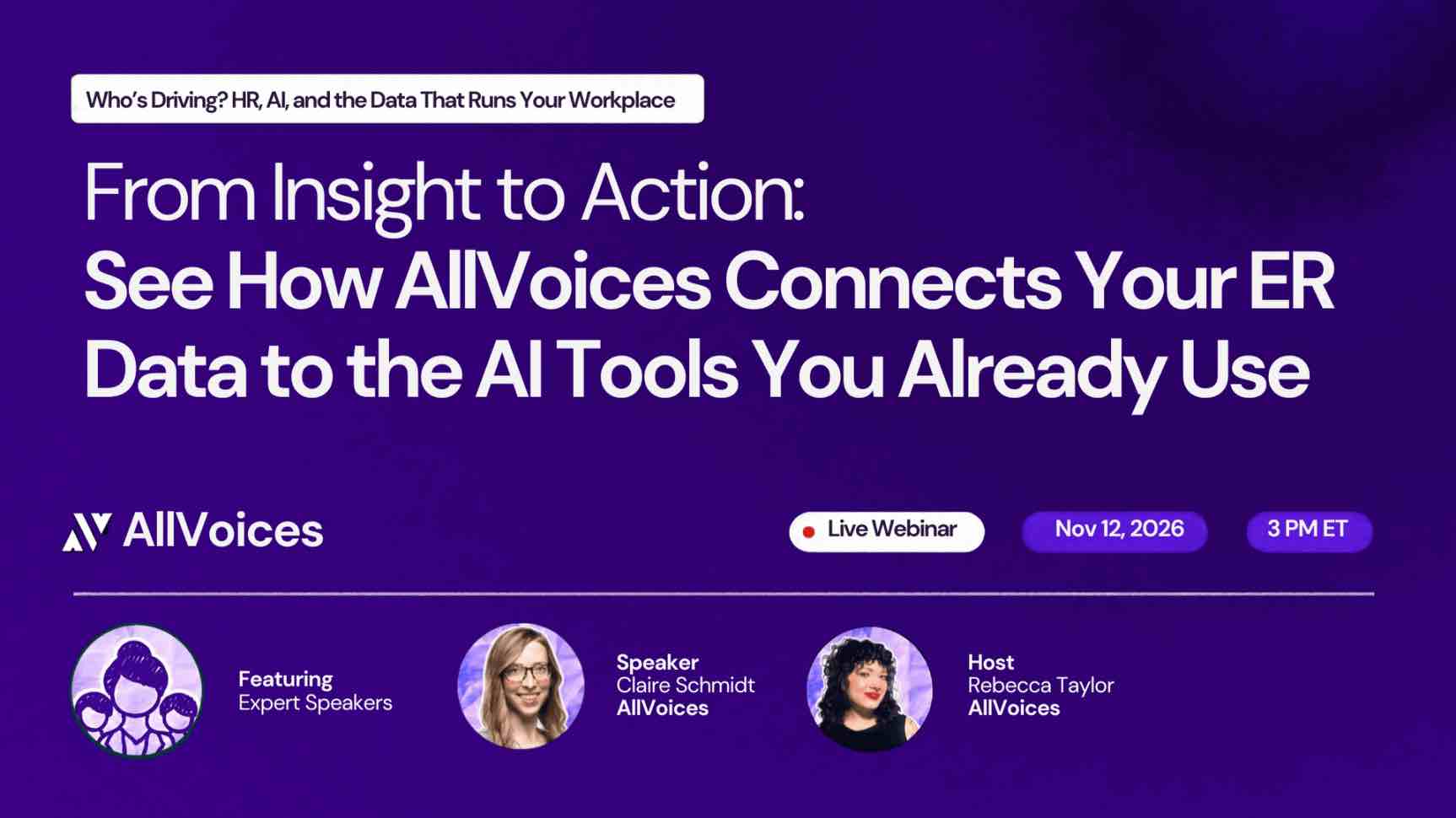
Our next webinar
Frequently asked questions

Got more questions? Email us at support@allvoices.co and we'll respond ASAP.

No items found.
Frequently asked questions

Got more questions? Email us at support@allvoices.co and we'll respond ASAP.

No items found.
Aiden Yang, Sr. Marketing Manager, Employer Brand at Udemy - Step Out Of the Familiar
Episode 325
About This Episode
In this episode of Reimagining Company Culture, we’re chatting with Aiden Yang, Sr. Marketing Manager, Employer Brand at Udemy. Aiden Yang is the author of The Spineless Porcupine, an all-ages fable based on his journey of self-discovery as an Asian American trans man. Tune in to learn Aiden’s thoughts on embracing employee superpowers, creating a trans-inclusive workplace, buzzwords that need to be phased out, and more!
About The Guest
Aiden Yang is the author of The Spineless Porcupine, an all-ages fable based on his journey of self-discovery as an Asian American trans man. He’s delivered engaging talks on creativity, DEIB, and storytelling to global audiences at Grace Hopper Celebration, Cisco, Oracle, TransTech Summit, and Women Who Code. Aiden is the Sr. Marketing Manager of Employer Brand at Udemy, a global destination for learning and teaching online. He lives in Oakland, California, and loves drumming, karaoke, and performing standup comedy.
Episode Transcription

On a recent episode of Reimagining Company Culture, the conversation turned to building an employer brand that survives contact with reality. The guest, Aiden Yang, brought direct experience to the topic from their day-to-day work, and the conversation moved past the talking points most People teams have heard a hundred times. This recap pulls the practical thread of the discussion together and translates it into the workflows HR leaders are running today.

Aiden's background sets the context for how Aiden thinks about this work. Aiden Yang is the author of The Spineless Porcupine, an all-ages fable based on his journey of self-discovery as an Asian American trans man. He's delivered engaging talks on creativity, DEIB, and storytelling to global audiences at Grace Hopper Celebration, Cisco, Oracle, TransTech Summit, and Women Who Code. Aiden is the Sr. Marketing Manager of Employer Brand at Udemy, a glo. That experience shapes the perspective the episode brings to building an employer brand that survives contact with reality, and the recap below stays grounded in the workflows leaders are running, not abstractions.

The conversation touches on the basics any People team is already managing, including talent acquisition fundamentals and social recruitment fundamentals. The recap below assumes that grounding and focuses on the operating moves leaders make on top of it.

Most of the framework below holds up across industries and company stages. The specifics vary; the underlying mechanics rarely do.

Why employer brand fails when it does not match the day-to-day

Employer brand campaigns are the easiest People work to fake. A great careers site, a polished culture deck, a video full of employees saying the words 'authentic' and 'belonging,' and the work is done. Until the new hire's first all-hands, when they realize the deck did not match the room.

Aiden's framing flips the order. Stop selling the brand outside until the brand is actually true inside. HBR analysis of employer brand authenticity argues the same point, that the gap between recruiting promises and the lived experience is the leading reason new hires leave in the first year.

How leaders work through building an employer brand that survives contact with reality

How do you measure whether your employer brand is real?

Glassdoor and LinkedIn ratings are the easy proxy. The harder one is six-month retention compared to twelve-month retention. If you are losing significant numbers of people between those two windows, the brand is overselling.

Add candidate experience scores from declined offers. Candidates who turned the job down often give the most honest read on whether the brand felt real during the interview process.

Should HR or marketing own employer brand?

Marketing owns the channel. HR owns the truth. The teams that get this right have a shared scorecard, referrals, offer acceptance rate, six-month retention, and Glassdoor sentiment. Marketing manages the campaign. HR manages the reality the campaign is selling.

When ownership drifts entirely to marketing, the campaigns get glossy and the retention gets worse.

What actually works in practice

The pattern across companies that handle building an employer brand that survives contact with reality well comes down to three operational habits.

  • Audit the gap between the promise and the experience. Every six months, compare your careers page to your last 20 exit interviews. If they read like different companies, fix the gap before fixing the campaign.
  • Let employees write the copy. Polished marketing voice is the giveaway. Real employee quotes, kept in their own voice, outperform agency copy on every relevant metric.
  • Tie referral rate to brand health. A falling referral rate is the earliest signal that the brand is not landing inside the company. Track it monthly.

None of these are aspirational. They are checklists the strongest People teams run on a cadence, and the consistency is what makes the difference.

What looks like a culture decision from the outside is usually the cumulative effect of those three habits, applied without theatrics.

This pattern shows up alongside familiar tools like employee engagement fundamentals. The combination is what makes the operating model durable.

Where Employee Relations fits

Strong AllVoices company culture solution programs need a feedback loop, not a campaign. AllVoices pulse surveys catch the gap between the brand promise and the daily experience. AllVoices employee survey tool dig into the why. AllVoices data and insights dashboard turns those into the scorecard People and Marketing share.

The companies pulling this off rarely run it on memory. They run it on infrastructure. AllVoices HR case management platform centralizes the case data; AllVoices data and insights dashboard surfaces the patterns nobody catches manually; AllVoices Vera AI co-pilot for ER teams accelerates the response time so the work is finishable. Together they cover the operating layer that this episode keeps pointing at.

What does Employee Relations have to do with employer brand?

More than most teams realize. The way the company handles complaints is the strongest signal new hires get about whether the brand is real. AllVoices HR case management platform discipline, fast intake, consistent process, transparent outcomes, is what employees see when the marketing words are tested.

The supporting research is consistent. Independent analysis from SHRM analysis of declining employee engagement points the same direction the episode does. The combination of operating discipline and outside data is what gets People leaders past the slogan stage.

For a concrete example of how this plays out at scale, look at Intercom's people-first culture story, which shows the same operational pattern in a real customer environment.

The takeaway holds across companies of different sizes and industries. The teams that turn this episode's lesson into operating practice are the ones that name a target metric, run it on a cadence, and refuse to let activity stand in for outcomes. The metric does not have to be elaborate. It has to be visible to the people who can move it, and reviewed often enough that nothing falls off the radar for a quarter.

The other consistent pattern is that the work compounds. Year one of any of these practices feels like overhead. Year three is when the retention, engagement, and case-data signals start telling a clearly different story. People leaders who hold the line through the early part of the curve tend to be the ones who have the receipts when leadership asks for evidence later.

Frequently Asked Questions About Building An Employer Brand That Survives Contact With Realit

What's the biggest red flag in employer brand work?

Stock photography of employees who do not work there. The second biggest is using the word 'family' in any form, research consistently shows it underperforms with candidates who have any prior corporate experience.

How long does it take to fix a bad employer brand?

Twelve to eighteen months at minimum, because the leading indicators (referrals, offer acceptance) move slowly and the lagging indicators (Glassdoor, retention) move slower. Companies that try to do it in a quarter usually make it worse.

Do small companies need an employer brand?

Yes, but not a campaign. A 50-person company needs a clear careers page, three honest employee quotes, and a Glassdoor profile someone owns. The brand is in the consistency, not the budget.

How do you handle bad reviews on Glassdoor?

Respond, do not delete. A thoughtful, specific response to a negative review outperforms a deleted review on every measurable candidate trust dimension.

What's the cost of a weak employer brand?

LinkedIn and HBR research consistently put it at 10 to 30 percent higher cost-per-hire and meaningfully worse offer acceptance. The harder cost is the candidates you do not even hear from because the brand never reached them.

The Bottom Line for HR Leaders

Aiden's lesson from author work and brand work converges on one point. The story has to be true. If it is not, no amount of design or distribution will save it for long.

People teams that earn a real employer brand are the ones who got the inside right first and let the outside follow.

See how AllVoices supports the kind of culture work this episode is about.

Want to learn more?
See the power of AllVoices today
Thank you! We look forward to meeting you soon
Oops! Something went wrong while submitting the form.
Frequently asked questions

Got more questions? Email us at support@allvoices.co and we'll respond ASAP.

No items found.
Frequently asked questions

Got more questions? Email us at support@allvoices.co and we'll respond ASAP.

No items found.