About This Episode
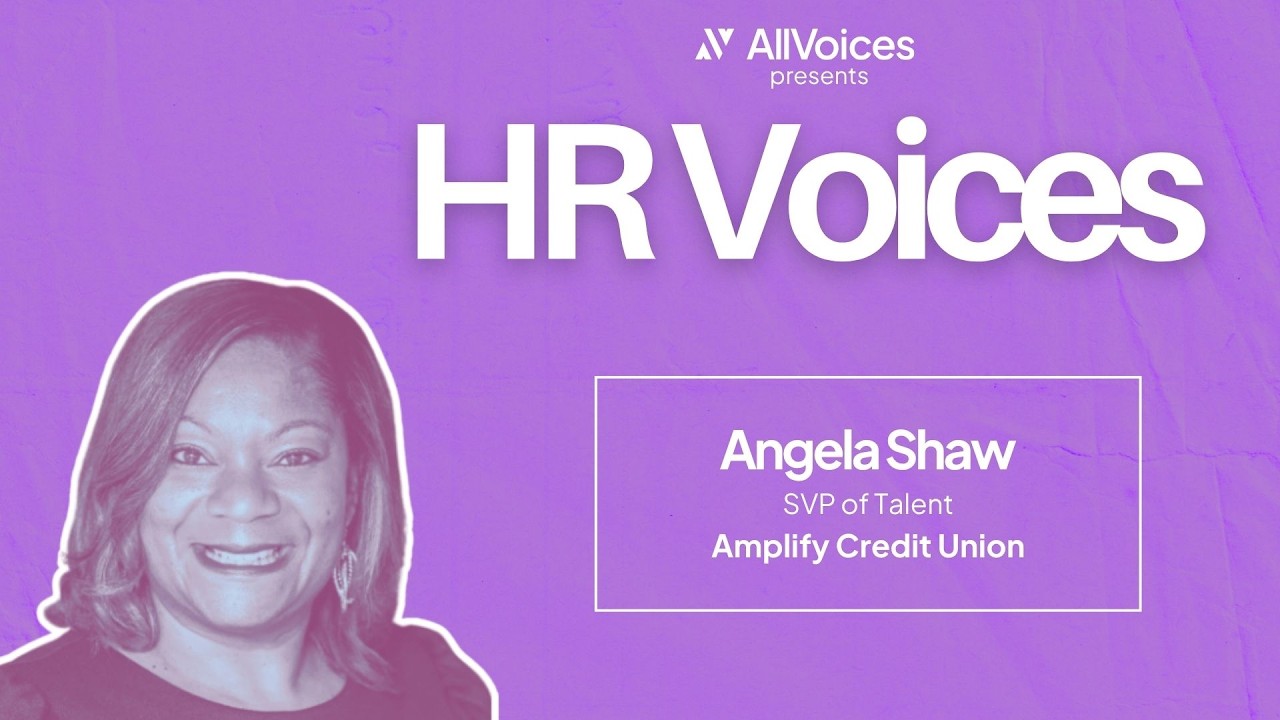
Political tension at work is not new, but post-election spikes stall teams and swamp HR. Angela Shaw, SVP of Talent at Amplify Credit Union, lays out a defensible approach to polarization that avoids blanket bans — which create more risk than they remove. She starts by separating beliefs, which HR cannot control, from behaviors, which it must, then equips managers to address the concrete failures: refusal to collaborate, Slack blowups, and hostile-workplace claims that arrive dressed as political disagreement.
About The Guest
Angela Shaw is SVP of Talent at Amplify Credit Union. Her approach to political conflict at work is built on a distinction most policies blur: an employer has no business regulating what an employee believes, and every reason to regulate how colleagues treat each other. She argues blanket bans on political speech tend to increase legal exposure rather than reduce it, and focuses instead on giving managers concrete, behavior-based language for the moments that actually damage a team.
Episode Breakdown

When we sat down with Angela Shaw, SVP of Talent at Amplify Credit Union, host Rebecca Taylor posed a case that began after a contentious election. Employees were arguing in Slack channels, refusing to work with colleagues who backed other candidates, and filing complaints alleging a hostile work environment over political expression. HR was fielding dozens of complaints from both sides. The CEO wanted political discussion banned. Legal warned that some political speech may be protected.

The scenario was invented. Angela said some version of it is happening almost everywhere. Her first move was not the ban. It was a distinction: “There is a difference between agreement on beliefs and agreement on behavior.” A company of a thousand people holds a thousand beliefs, she said, or 20,000. What it can structure is how people behave.

Why Beliefs Are the Wrong Thing for HR to Manage

Angela named two things that make a case like this murky. The first is inaction, from leaders and HR teams who “bury their heads in the sand” and hope the tension passes. The second is the blur between belief and behavior once emotions run high.

Part of that silence is worry. Leaders fret over how fifty different people will take a message, and fifty people will take it fifty different ways. Angela’s answer is to anchor the message in defined values and standards for how people behave at work, which she called “something you can defend and stand on.”

Her example made the line concrete. Announcing a political party is one thing; calling a colleague a racial slur is another. Only the slur touches one of the bases in the EEOC’s definition of harassment: unwelcome conduct based on race, color, religion, sex, national origin, older age, disability, or genetic information.

What Neutrality Asks of the Person Running the Case

Angela’s first rule for herself is that agreement cannot shape judgment. She will not side with someone because she shares their views, since they may be the one whose behavior crossed the line. Nor will she treat someone worse for views she does not share. That bias, she pointed out, is exactly what she asks employees not to do to each other.

Neutrality is built in advance. Before a hard conversation, Angela reads up on how to stay neutral, so she walks in patient, ready to listen, and able to “be the adult in the room.” She calls these “skill sets that you can build,” the practical side of emotional intelligence on the job. When she gets something wrong, she circles back to make it right, apologize, or “ask for grace.”

What Actually Works

Write the Behavior Standard Before Anyone Asks for a Ban

A ban fails on definition first. People define political talk differently, Angela noted, so a ban starts from a line nobody shares. The legal warning has a basis in statute: California’s Labor Code bars any employer rule “forbidding or preventing employees from engaging or participating in politics.”

The better move is a behavior standard written before the next election season tests workplace civility. Angela asks HR leaders to know their communication plan and what the company stands for on behavior, whether that lives in a company values statement or service standards. She has her say with senior leadership but is not always the decision-maker, so she builds the CEO relationship before it is tested.

Run the Interviews From the Complainant to the Accused

Angela starts with the person who raised the complaint and lets them say everything. Being heard, she said, is sometimes half of solving the problem. Next come the people who saw, heard, or were involved. The accused comes last.

When tension is high, interim structure keeps it contained: “you two are not going to be in a room together” without a third party, or a team lead or manager with the skills to manage conflict helping the two keep working. The goal is to “create some calm in the meantime.”

Context matters too. A joke about building the wall in a department group chat of roughly fifty people was public; a straight employee telling an LGBTQ colleague they were leaving a place because of gay people was private. Angela said each could be handled differently, depending on the investigation.

Set the Pace and Tell People When to Expect an Answer

Moving too fast, Angela warned, produces the wrong decision and a precedent the company is not ready to keep up. Emotion takes over, and “moving too fast will make you want to be swayed by the crowd.” She compared haste to ego: “it will take you a ride every single time.” With standards already in place and communicated, she added, a company can sometimes move fast.

Moving too slow leaves people in limbo, and “being in limbo is the worst place for anybody to be.” People on every side feel unheard, and the loop never closes. When legal or the senior team stretches the timeline, the fix is communication. People should hear that the matter is still open and when to expect an answer. Three months of silence is the failure she warned against.

Where Employee Relations Fits

Dozens of complaints from both sides turn one dispute into a test of consistency. Each needs the same interview order, interim steps, and conduct standard, whatever the complainant’s politics, or HR looks like it picked a side. Precedent is the other risk Angela named, since a rushed decision becomes the rule for the next case.

Investigations that surface policy precedent show how similar conduct was handled before and keep every case on documented steps. Friction that never becomes a complaint belongs to managers, who need their own strategies for political conversations.

Frequently Asked Questions About Political Conflict at Work

Can a Company Ban Political Discussions at Work?

Not without legal review. Federal labor law protects employees’ right to engage in “concerted activities for the purpose of collective bargaining or other mutual aid or protection,” and California bars rules that control employees’ political activities. Angela Shaw prefers a behavior standard instead.

In What Order Does Angela Shaw Interview People in a Political Dispute?

The person who raised the concern goes first, then anyone who saw, heard, or was involved, and the accused goes last. By then HR has the facts to ask fair questions, starting with whether the accused knows there is an issue.

What Interim Steps Help While a Political Complaint Is Investigated?

Structure that keeps the conflict contained, such as a third party in any conversation between the two, or a team lead or manager who helps them keep working while HR gathers facts.

How Long Should HR Take to Resolve a Political Conflict at Work?

Long enough to get the facts, with updates along the way. Angela Shaw warns that rushing sets precedents and lets emotion decide, while delay leaves everyone in limbo. If legal review adds time, tell the people involved when to expect an answer.

How Can HR Stay Neutral When It Agrees With One Side?

By preparing before the conversation and judging only the behavior. Angela Shaw reads up on staying neutral before a hard meeting, will not side with anyone because she shares their views, and circles back when she gets something wrong.

The Bottom Line for HR Leaders

Angela Shaw’s framing outlasts any single election: HR does not manage what people believe, only how they treat each other. Real change, she said, “starts with us,” including readiness for graceful pushback when HR and company leaders disagree. Her test for a hard call: “if you can sleep at night and you feel good about your decision-making and you had a knowledge base from which to make a decision, you did the right thing.”

See how AllVoices helps HR teams put every political complaint through the same fair, documented process.

Our next webinar
Frequently asked questions

Got more questions? Email us at support@allvoices.co and we'll respond ASAP.

No items found.
Frequently asked questions

Got more questions? Email us at support@allvoices.co and we'll respond ASAP.

No items found.

Politics at Work: Angela Shaw on Polarization, Protected Speech, and Behavior Standards

About the guest

Angela Shaw is SVP of Talent at Amplify Credit Union. Her approach to political conflict at work is built on a distinction most policies blur: an employer has no business regulating what an employee believes, and every reason to regulate how colleagues treat each other. She argues blanket bans on political speech tend to increase legal exposure rather than reduce it, and focuses instead on giving managers concrete, behavior-based language for the moments that actually damage a team.

Episode Breakdown

When we sat down with Angela Shaw, SVP of Talent at Amplify Credit Union, host Rebecca Taylor posed a case that began after a contentious election. Employees were arguing in Slack channels, refusing to work with colleagues who backed other candidates, and filing complaints alleging a hostile work environment over political expression. HR was fielding dozens of complaints from both sides. The CEO wanted political discussion banned. Legal warned that some political speech may be protected.

The scenario was invented. Angela said some version of it is happening almost everywhere. Her first move was not the ban. It was a distinction: “There is a difference between agreement on beliefs and agreement on behavior.” A company of a thousand people holds a thousand beliefs, she said, or 20,000. What it can structure is how people behave.

Why Beliefs Are the Wrong Thing for HR to Manage

Angela named two things that make a case like this murky. The first is inaction, from leaders and HR teams who “bury their heads in the sand” and hope the tension passes. The second is the blur between belief and behavior once emotions run high.

Part of that silence is worry. Leaders fret over how fifty different people will take a message, and fifty people will take it fifty different ways. Angela’s answer is to anchor the message in defined values and standards for how people behave at work, which she called “something you can defend and stand on.”

Her example made the line concrete. Announcing a political party is one thing; calling a colleague a racial slur is another. Only the slur touches one of the bases in the EEOC’s definition of harassment: unwelcome conduct based on race, color, religion, sex, national origin, older age, disability, or genetic information.

What Neutrality Asks of the Person Running the Case

Angela’s first rule for herself is that agreement cannot shape judgment. She will not side with someone because she shares their views, since they may be the one whose behavior crossed the line. Nor will she treat someone worse for views she does not share. That bias, she pointed out, is exactly what she asks employees not to do to each other.

Neutrality is built in advance. Before a hard conversation, Angela reads up on how to stay neutral, so she walks in patient, ready to listen, and able to “be the adult in the room.” She calls these “skill sets that you can build,” the practical side of emotional intelligence on the job. When she gets something wrong, she circles back to make it right, apologize, or “ask for grace.”

What Actually Works

Write the Behavior Standard Before Anyone Asks for a Ban

A ban fails on definition first. People define political talk differently, Angela noted, so a ban starts from a line nobody shares. The legal warning has a basis in statute: California’s Labor Code bars any employer rule “forbidding or preventing employees from engaging or participating in politics.”

The better move is a behavior standard written before the next election season tests workplace civility. Angela asks HR leaders to know their communication plan and what the company stands for on behavior, whether that lives in a company values statement or service standards. She has her say with senior leadership but is not always the decision-maker, so she builds the CEO relationship before it is tested.

Run the Interviews From the Complainant to the Accused

Angela starts with the person who raised the complaint and lets them say everything. Being heard, she said, is sometimes half of solving the problem. Next come the people who saw, heard, or were involved. The accused comes last.

When tension is high, interim structure keeps it contained: “you two are not going to be in a room together” without a third party, or a team lead or manager with the skills to manage conflict helping the two keep working. The goal is to “create some calm in the meantime.”

Context matters too. A joke about building the wall in a department group chat of roughly fifty people was public; a straight employee telling an LGBTQ colleague they were leaving a place because of gay people was private. Angela said each could be handled differently, depending on the investigation.

Set the Pace and Tell People When to Expect an Answer

Moving too fast, Angela warned, produces the wrong decision and a precedent the company is not ready to keep up. Emotion takes over, and “moving too fast will make you want to be swayed by the crowd.” She compared haste to ego: “it will take you a ride every single time.” With standards already in place and communicated, she added, a company can sometimes move fast.

Moving too slow leaves people in limbo, and “being in limbo is the worst place for anybody to be.” People on every side feel unheard, and the loop never closes. When legal or the senior team stretches the timeline, the fix is communication. People should hear that the matter is still open and when to expect an answer. Three months of silence is the failure she warned against.

Where Employee Relations Fits

Dozens of complaints from both sides turn one dispute into a test of consistency. Each needs the same interview order, interim steps, and conduct standard, whatever the complainant’s politics, or HR looks like it picked a side. Precedent is the other risk Angela named, since a rushed decision becomes the rule for the next case.

Investigations that surface policy precedent show how similar conduct was handled before and keep every case on documented steps. Friction that never becomes a complaint belongs to managers, who need their own strategies for political conversations.

Frequently Asked Questions About Political Conflict at Work

Can a Company Ban Political Discussions at Work?

Not without legal review. Federal labor law protects employees’ right to engage in “concerted activities for the purpose of collective bargaining or other mutual aid or protection,” and California bars rules that control employees’ political activities. Angela Shaw prefers a behavior standard instead.

In What Order Does Angela Shaw Interview People in a Political Dispute?

The person who raised the concern goes first, then anyone who saw, heard, or was involved, and the accused goes last. By then HR has the facts to ask fair questions, starting with whether the accused knows there is an issue.

What Interim Steps Help While a Political Complaint Is Investigated?

Structure that keeps the conflict contained, such as a third party in any conversation between the two, or a team lead or manager who helps them keep working while HR gathers facts.

How Long Should HR Take to Resolve a Political Conflict at Work?

Long enough to get the facts, with updates along the way. Angela Shaw warns that rushing sets precedents and lets emotion decide, while delay leaves everyone in limbo. If legal review adds time, tell the people involved when to expect an answer.

How Can HR Stay Neutral When It Agrees With One Side?

By preparing before the conversation and judging only the behavior. Angela Shaw reads up on staying neutral before a hard meeting, will not side with anyone because she shares their views, and circles back when she gets something wrong.

The Bottom Line for HR Leaders

Angela Shaw’s framing outlasts any single election: HR does not manage what people believe, only how they treat each other. Real change, she said, “starts with us,” including readiness for graceful pushback when HR and company leaders disagree. Her test for a hard call: “if you can sleep at night and you feel good about your decision-making and you had a knowledge base from which to make a decision, you did the right thing.”

See how AllVoices helps HR teams put every political complaint through the same fair, documented process.