About This Episode
A top candidate for a senior finance role is found during a post-offer background check to have misrepresented an MBA, having dropped out after two years. Despite fifteen years of strong experience and excellent references, the hiring manager insists on an exception, arguing the degree is irrelevant — which collides with a policy mandating rescission for material misrepresentation. Rebecca Taylor and Autumn Willingham of The Parking Spot reframe it from a departmental conflict into a shared business risk.
About The Guest
Autumn Willingham leads the people function at The Parking Spot, the near-airport parking operator, and holds an SPHR certification alongside study at the University of Illinois Chicago School of Law. She works on the enforcement end of hiring policy — the moment a documented rule meets a hiring manager who has already decided, and where the useful move is to convert a departmental standoff into a conversation about risk the business is jointly carrying.
Episode Breakdown

Autumn Willingham, who leads the people function at The Parking Spot, joined host Rebecca Taylor on HR Voices for a hiring problem with no clean exit. A post-offer background check shows that the top candidate for a senior finance role listed an MBA he never finished. He left after two years. He has fifteen years of strong experience and excellent references, and the hiring manager calls him the only qualified candidate.

Policy says a material misrepresentation means the offer is rescinded. The manager wants an exception, and legal is split. Autumn did not treat the case as a fight between HR and the business. The answer was a coaching method, a short clock, and a careful script for the candidate, all resting on whether the company could trust this person with its financial records.

Why the Misrepresentation Matters More Than the Missing Degree

The degree is the smaller issue. Autumn’s first move was to reframe the case around trust, because a finance hire will handle fiduciary documents and financial records. Autumn called the false credential a “red flag concern” and warned against negligently hiring someone the company already has doubts about.

The candidate’s explanation does not help much. He says it was an old error he forgot to fix. Autumn pointed out that a finance role asks for accurate, detail-oriented analysis every day. Missing a detail this large on a resume is a performance concern even if the story is true.

The qualification question still deserves an answer. Autumn would ask the hiring team whether earlier candidates for this role were turned away for lacking an MBA. If they were, an exception now modifies a precedent, not just one decision. If the requirement was only habit, the role may need a fresh look anyway, but not as a workaround for one applicant.

How a Candidate Crush Bends the Hiring Process

Autumn has a name for the manager’s state of mind: a “candidate crush.” The candidate seems perfect. Rebecca added that these exception requests tend to trace back to some bias, such as a shared school or an easy conversation. Feeling drawn to a candidate is normal; letting that pull rewrite the criteria is the mistake.

The fix starts with the intake call. When a manager is willing to break from qualifications, Autumn goes back to what the two sides agreed the role needed at the start. In Autumn’s words, “we just have to be that mirror.”

Consistency is also a compliance issue. For employers that maintain an affirmative action plan, Autumn warned that changing qualifications in the middle of a search can create real exposure. The line is precise: “as long as your analysis is consistent, it could yield different outcomes.” Changing the analysis for one person is what creates the risk.

Prevention comes down to training. Autumn does not mean only identity bias. The target is affinity bias and the halo and horn effect in interviews, where one shared interest creates a “halo filter” and one stumble sinks a candidate. Autumn recommends recurring training on hidden hiring bias for recruiting, including for the most seasoned hiring managers and HR professionals.

What Actually Works

Make the Manager Name the Best Option

Autumn does not make the hiring decision for the manager. The method is to present two paths: “this is a good decision you can make but this is the best one.” It opens with empathy, asking how the manager feels about the discovery. Then come questions until the manager says out loud what the role needs: integrity, accuracy, and no “dark cloud from day one.” Autumn said the framing has never failed in similar cases.

Tie the Decision to Days, Not Weeks

Speed is part of fairness here. Autumn’s sweet spot is a couple of days, and a full week is too long. Rebecca noted the cost of waiting. The candidate is left in limbo, and a slow call invites the question of why a simple decision took so long. Values-based decisions, Autumn argued, should be decisive ones.

Design a Short Script for the Candidate

Autumn would thank the candidate, say the application was seriously considered, and state that the company will not move forward. The script names no decision-maker and offers no detail. If the candidate asks about the degree, Autumn would confirm it was part of the decision and end the call. When a screening firm supplied the report, the rules on adverse action after a screening report also apply. The FTC guidance for employers using consumer reports requires a pre-adverse action notice, a copy of the report, and a summary of rights first.

Where Employee Relations Fits

Autumn sees HR as a consultant to leaders, not the final decision-maker on every hiring and firing call. In that view of the strategic HR partner role, HR empowers leaders to make the best business decision. Managers own the outcome.

Rebecca drew out the practical consequence. When HR says a hire would violate policy and the manager overrules it, the manager is on the hook if it goes badly. That only protects anyone if the advice, the policy, and the decision are written down. A structured system like HR case management for People teams keeps that record in one place.

The same record helps after people are hired. Autumn argued that HR has to understand why people leave, what makes them stay, and what they value. Rebecca pointed to feedback from departing employees as an early signal, because “you lose people mentally before you lose them physically.”

Frequently Asked Questions About Candidates Who Misrepresent a Degree

Should HR Rescind an Offer When a Candidate Lied About a Degree?

Usually, yes, if your policy requires it. Autumn treats the misrepresentation as a trust problem, especially for finance roles that handle financial records. An exception can also set a precedent you would then have to apply to everyone.

Does It Matter If the Degree Is Not Required for the Job?

It matters, but it does not erase the false claim. Autumn would check whether earlier candidates were declined for lacking the degree. Dropping a requirement to fit one applicant creates a precedent problem and possible compliance risk.

How Should HR Handle a Hiring Manager Who Wants an Exception?

Start with empathy, then coach. Autumn asks how the news landed, then asks what the role needs until the manager names integrity and accuracy. The choice is framed as a good option and the best option.

How Long Should a Hiring Decision Take After a Background Check Problem?

A couple of days is ideal. Autumn considers a full week too long. Waiting leaves the candidate in limbo and raises the question of why a clear decision took so long.

What Should HR Tell a Candidate Whose Offer Is Withdrawn?

Keep it short. Thank them, say they were seriously considered, and state that you will not move forward. If a background screening report was used, follow the FCRA notice steps before the decision is final.

The Bottom Line for HR Leaders

Autumn Willingham’s framing is that HR contributes to the bottom line, and the falsified degree shows how. A finance hire built on a false credential starts with a trust problem. A manager steered to the best option, not just a good one, keeps the standard intact without HR pulling rank.

Autumn would also retire the belief that HR exists to “hire, fire, write policy and plan parties.” The larger cost, in Autumn’s view, is “the hidden cost of turnover,” and people analytics on retention is how HR proves it. According to Gallup, replacing an individual employee can cost one-half to two times that person’s annual salary. Hiring the right person the first time is part of reducing employee turnover.

See how AllVoices helps People teams document hiring and employee relations decisions so the standard holds when a manager pushes back.
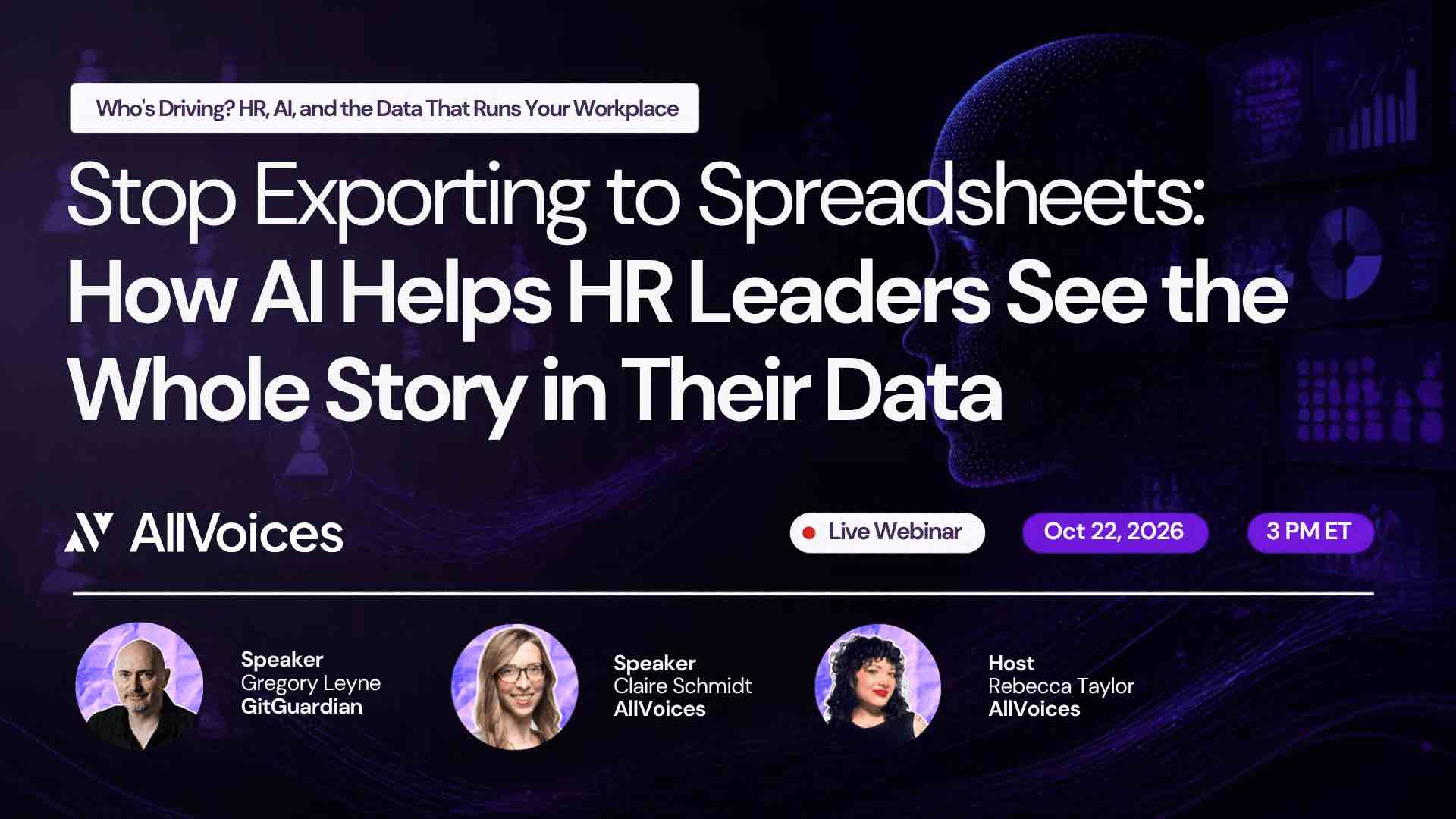
Our next webinar
Frequently asked questions

Got more questions? Email us at support@allvoices.co and we'll respond ASAP.

No items found.
Frequently asked questions

Got more questions? Email us at support@allvoices.co and we'll respond ASAP.

No items found.

Autumn Willingham Episode

About the guest

Autumn Willingham leads the people function at The Parking Spot, the near-airport parking operator, and holds an SPHR certification alongside study at the University of Illinois Chicago School of Law. She works on the enforcement end of hiring policy — the moment a documented rule meets a hiring manager who has already decided, and where the useful move is to convert a departmental standoff into a conversation about risk the business is jointly carrying.

Episode Breakdown

Autumn Willingham, who leads the people function at The Parking Spot, joined host Rebecca Taylor on HR Voices for a hiring problem with no clean exit. A post-offer background check shows that the top candidate for a senior finance role listed an MBA he never finished. He left after two years. He has fifteen years of strong experience and excellent references, and the hiring manager calls him the only qualified candidate.

Policy says a material misrepresentation means the offer is rescinded. The manager wants an exception, and legal is split. Autumn did not treat the case as a fight between HR and the business. The answer was a coaching method, a short clock, and a careful script for the candidate, all resting on whether the company could trust this person with its financial records.

Why the Misrepresentation Matters More Than the Missing Degree

The degree is the smaller issue. Autumn’s first move was to reframe the case around trust, because a finance hire will handle fiduciary documents and financial records. Autumn called the false credential a “red flag concern” and warned against negligently hiring someone the company already has doubts about.

The candidate’s explanation does not help much. He says it was an old error he forgot to fix. Autumn pointed out that a finance role asks for accurate, detail-oriented analysis every day. Missing a detail this large on a resume is a performance concern even if the story is true.

The qualification question still deserves an answer. Autumn would ask the hiring team whether earlier candidates for this role were turned away for lacking an MBA. If they were, an exception now modifies a precedent, not just one decision. If the requirement was only habit, the role may need a fresh look anyway, but not as a workaround for one applicant.

How a Candidate Crush Bends the Hiring Process

Autumn has a name for the manager’s state of mind: a “candidate crush.” The candidate seems perfect. Rebecca added that these exception requests tend to trace back to some bias, such as a shared school or an easy conversation. Feeling drawn to a candidate is normal; letting that pull rewrite the criteria is the mistake.

The fix starts with the intake call. When a manager is willing to break from qualifications, Autumn goes back to what the two sides agreed the role needed at the start. In Autumn’s words, “we just have to be that mirror.”

Consistency is also a compliance issue. For employers that maintain an affirmative action plan, Autumn warned that changing qualifications in the middle of a search can create real exposure. The line is precise: “as long as your analysis is consistent, it could yield different outcomes.” Changing the analysis for one person is what creates the risk.

Prevention comes down to training. Autumn does not mean only identity bias. The target is affinity bias and the halo and horn effect in interviews, where one shared interest creates a “halo filter” and one stumble sinks a candidate. Autumn recommends recurring training on hidden hiring bias for recruiting, including for the most seasoned hiring managers and HR professionals.

What Actually Works

Make the Manager Name the Best Option

Autumn does not make the hiring decision for the manager. The method is to present two paths: “this is a good decision you can make but this is the best one.” It opens with empathy, asking how the manager feels about the discovery. Then come questions until the manager says out loud what the role needs: integrity, accuracy, and no “dark cloud from day one.” Autumn said the framing has never failed in similar cases.

Tie the Decision to Days, Not Weeks

Speed is part of fairness here. Autumn’s sweet spot is a couple of days, and a full week is too long. Rebecca noted the cost of waiting. The candidate is left in limbo, and a slow call invites the question of why a simple decision took so long. Values-based decisions, Autumn argued, should be decisive ones.

Design a Short Script for the Candidate

Autumn would thank the candidate, say the application was seriously considered, and state that the company will not move forward. The script names no decision-maker and offers no detail. If the candidate asks about the degree, Autumn would confirm it was part of the decision and end the call. When a screening firm supplied the report, the rules on adverse action after a screening report also apply. The FTC guidance for employers using consumer reports requires a pre-adverse action notice, a copy of the report, and a summary of rights first.

Where Employee Relations Fits

Autumn sees HR as a consultant to leaders, not the final decision-maker on every hiring and firing call. In that view of the strategic HR partner role, HR empowers leaders to make the best business decision. Managers own the outcome.

Rebecca drew out the practical consequence. When HR says a hire would violate policy and the manager overrules it, the manager is on the hook if it goes badly. That only protects anyone if the advice, the policy, and the decision are written down. A structured system like HR case management for People teams keeps that record in one place.

The same record helps after people are hired. Autumn argued that HR has to understand why people leave, what makes them stay, and what they value. Rebecca pointed to feedback from departing employees as an early signal, because “you lose people mentally before you lose them physically.”

Frequently Asked Questions About Candidates Who Misrepresent a Degree

Should HR Rescind an Offer When a Candidate Lied About a Degree?

Usually, yes, if your policy requires it. Autumn treats the misrepresentation as a trust problem, especially for finance roles that handle financial records. An exception can also set a precedent you would then have to apply to everyone.

Does It Matter If the Degree Is Not Required for the Job?

It matters, but it does not erase the false claim. Autumn would check whether earlier candidates were declined for lacking the degree. Dropping a requirement to fit one applicant creates a precedent problem and possible compliance risk.

How Should HR Handle a Hiring Manager Who Wants an Exception?

Start with empathy, then coach. Autumn asks how the news landed, then asks what the role needs until the manager names integrity and accuracy. The choice is framed as a good option and the best option.

How Long Should a Hiring Decision Take After a Background Check Problem?

A couple of days is ideal. Autumn considers a full week too long. Waiting leaves the candidate in limbo and raises the question of why a clear decision took so long.

What Should HR Tell a Candidate Whose Offer Is Withdrawn?

Keep it short. Thank them, say they were seriously considered, and state that you will not move forward. If a background screening report was used, follow the FCRA notice steps before the decision is final.

The Bottom Line for HR Leaders

Autumn Willingham’s framing is that HR contributes to the bottom line, and the falsified degree shows how. A finance hire built on a false credential starts with a trust problem. A manager steered to the best option, not just a good one, keeps the standard intact without HR pulling rank.

Autumn would also retire the belief that HR exists to “hire, fire, write policy and plan parties.” The larger cost, in Autumn’s view, is “the hidden cost of turnover,” and people analytics on retention is how HR proves it. According to Gallup, replacing an individual employee can cost one-half to two times that person’s annual salary. Hiring the right person the first time is part of reducing employee turnover.

See how AllVoices helps People teams document hiring and employee relations decisions so the standard holds when a manager pushes back.