About This Episode
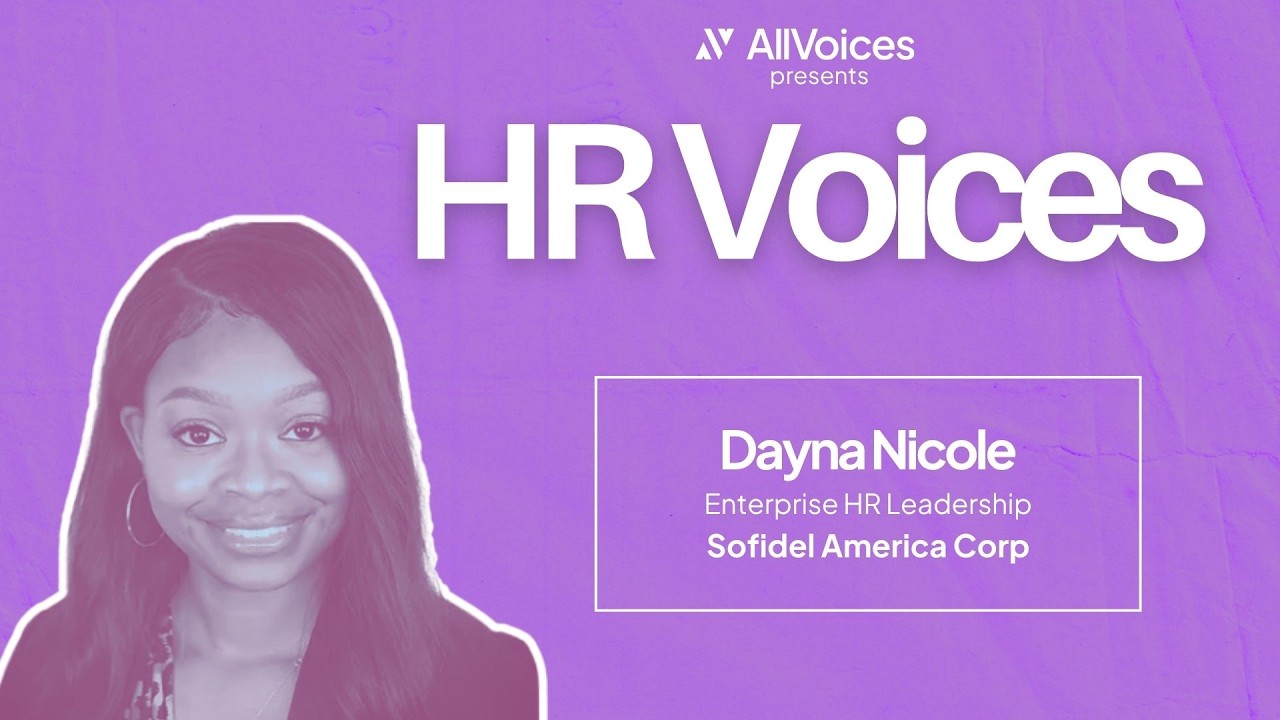
A beloved 22-year office manager's performance craters, and only in the termination meeting does she reveal she is caring for a spouse with early-onset Alzheimer's. Dayna Nicole Bailey, an enterprise HR leader at Sofidel America, works through the compassionate termination scenario without hiding behind process. She names the real failure: a lack of psychological safety that kept a long-tenured, well-liked employee silent — and the open-ended manager conversations that should have surfaced it long before.
About The Guest
Dayna Nicole Bailey is an enterprise HR leader at Sofidel America Corp. Her reading of the compassionate-termination case is that by the time HR is choosing how to exit someone, the important failure has already happened: nobody built the conditions in which a 22-year employee felt able to say what was going on. She works on manager judgment — open-ended questions, documentation shared with the employee rather than about them, and the accountability test of asking what part of this you own.
Episode Breakdown

An office manager has spent twenty-two years at the company and is well liked. For eighteen months her work has slipped, and HR finds the problems documented and sustained. Her manager suspects something personal, but she deflects when asked. Then, in the termination conversation, she breaks down. She has been caring for a spouse with early-onset Alzheimer’s, has not slept more than four hours a night in a year, and never asked for help for fear of losing her job. Host Rebecca Taylor put this fabricated case to Dayna Nicole Bailey, an enterprise HR leader at Sofidel America Corp.

Dayna began with the silence, not the termination. A twenty-two-year employee kept a crisis to herself until the final meeting, and Dayna read that as “a failure on behalf of the company to provide psychological safety to this employee.” Her answer to the case kept returning to one idea: process is necessary, and it is not enough.

Why a Twenty-Two-Year Employee Said Nothing

Tenure looks like trust from the outside. Dayna does not accept that it proves anything. This employee had two decades of relationships and still feared that disclosing her caregiving would cost her the job. Dayna treats that fear as “a data point” about what employees actually experience with their leaders.

Rebecca added a sharper point: “well-liked is sometimes a burden.” Well-liked employees can protect that standing by never advocating for themselves, and caregivers still face stigma at work. Dayna’s question is whether people feel safe bringing outside issues into work, the everyday side of what psychological safety means for a team.

Caregiving is too common to treat as an edge case. Caregiving in the US 2025, from the National Alliance for Caregiving and AARP, counts 63 million Americans, one in four adults, providing ongoing care for older adults, people with serious illnesses, or those with disabilities. Supporting employee caregivers starts with one of them feeling safe enough to say so.

What the Manager’s Conversations Reveal

Dayna’s first request would be the manager’s conversations as the performance slipped: what was said, what was asked, and how the employee answered. Managers who know HR will ask for coaching notes and write-ups sometimes go in to check boxes. Others go in to find the why, with open-ended questions.

She wants to know whether the documentation was gathered “so that we could terminate later.” Rebecca asked whether anyone had told the employee what was being written down.

Then Dayna goes to the direct manager. She asks whether the employee will be surprised, and whether the manager has been managing “seagull style,” appearing only when something goes wrong. She believes most performance problems trace back to obstacles the leader or the organization created. Some terminations do come down to fit. Here she would look first for the training gap, and close it across the organization.

What Actually Works

Ask the Manager What Part They Own

One of Dayna’s favorite questions for the leaders she supports is what part of the performance issue they own. When she asks this manager how the case should be resolved, she listens for ownership and for what the manager will do differently. She also listens for checkbox mode: the steps are done, so the employee should go.

The company owns the outcome, in Dayna’s view, but the manager is “the decision maker,” with HR supplying tools, information, and a mirror. HR is there to “hold a mirror to them and show them where they miss steps.” If the manager noticed early, offered an employee assistance program, and asked good questions, termination may still be right.

Hold the Decision Until Everyone Has Been Heard

Dayna pauses the termination and assumes positive intent on both sides. She refuses to treat a disclosure at the termination meeting as a tactic to save the job. Then she asks the employee, the team, and the manager how each would like to see this resolved.

The answers frame the competing pressures: an employee who needs her job, a team that wants work shared fairly, an employer reputation shaped by how HR treats her, and legal exposure. Dayna’s worry is terminating someone while “denying them the right to use some of the protections that are available for caregivers.”

Federal rules show why. The Department of Labor lists caring for a spouse with a serious health condition among the reasons an eligible employee may take FMLA leave, for up to twelve workweeks in a twelve-month period. The EEOC’s guidance on the ADA association provision says an employer may not terminate someone because of a known association with an individual with a disability.

Train Judgment Through Role-Play and Floor Walks

Dayna prepares managers through practice. She admits “everybody hates role plays,” herself included, yet calls role-play the best way to build muscle memory, so a manager who hears a trigger reaches for good questions.

Dayna works in manufacturing, so she also walks the floor with leaders and asks the dumb question, such as what a cord across the floor is for. The walks fight the blindness that comes from walking past the same hazard a million times. An HR playbook for tough conversations helps; rehearsal makes it usable under pressure.

Where Employee Relations Fits

The biggest mistake Dayna sees is HR hiding behind the checklist, where teams “substitute those check boxes and compliance for the human part.” A progressive discipline process of initial, second, and final steps can be followed perfectly and still miss the root cause. Dayna’s test is whether anyone stopped to ask why a twenty-two-year employee was struggling at all.

Process still earns its place, because it shows when something starts to go off the rails. The fix is in what the record holds. Performance improvement software keeps expectations and documentation in one structured workflow, so HR can see whether a manager asked why or documented toward an exit.

Frequently Asked Questions About Compassionate Termination

Should HR Pause a Termination When an Employee Discloses a Caregiving Crisis?

Pause it. Dayna Nicole Bailey does not assume a last-minute disclosure is a tactic to save the job. She gathers facts from the employee, the team, and the manager before deciding whether the termination goes ahead.

Does the FMLA Cover Caring for a Spouse With Early-Onset Alzheimer’s?

It can, if the employee is eligible and the condition counts as a serious health condition. Under the Family and Medical Leave Act, care for a spouse is a qualifying reason for unpaid, job-protected leave of up to twelve workweeks.

Does the ADA Require Accommodation for an Employee Whose Spouse Has a Disability?

No. Under the ADA’s employment provisions, the EEOC says, only qualified applicants and employees with disabilities are entitled to reasonable accommodation. It also says an employer may not terminate someone because of a known association with a person with a disability.

What Is a Seagull Manager?

A seagull manager flies in with an assignment, disappears until something goes wrong, then swoops back in and makes a lot of noise. Dayna uses the image to ask whether a manager has been leading the whole person or only reacting to problems.

How Can HR Prepare Managers for a Disclosure Like This One?

Practice it. Dayna Nicole Bailey relies on role-play, even though most people dislike it, plus regular floor walks with leaders. The goal is muscle memory: a manager who hears a trigger asks good questions, or knows to bring HR in early.

The Bottom Line for HR Leaders

Dayna Nicole Bailey’s framing is blunt: following the process does not, on its own, protect HR, the company, or anyone involved. Process flags problems. Judgment does the rest, along with “putting the human back into human resources.”

She pointed to Ken Blanchard’s work on situational leadership styles and its lesson, as she put it, that different people in different situations need different management. That, in her view, can still be fairness and consistency. A clean termination file can still document a failure.

See how AllVoices helps HR teams document performance conversations as they happen, so a hard decision never arrives as a surprise.
Our next webinar
Frequently asked questions

Got more questions? Email us at support@allvoices.co and we'll respond ASAP.

No items found.
Frequently asked questions

Got more questions? Email us at support@allvoices.co and we'll respond ASAP.

No items found.

Compassionate Termination: Psychological Safety, Caregiver Rights, and Manager Accountability

About the guest

Dayna Nicole Bailey is an enterprise HR leader at Sofidel America Corp. Her reading of the compassionate-termination case is that by the time HR is choosing how to exit someone, the important failure has already happened: nobody built the conditions in which a 22-year employee felt able to say what was going on. She works on manager judgment — open-ended questions, documentation shared with the employee rather than about them, and the accountability test of asking what part of this you own.

Episode Breakdown

An office manager has spent twenty-two years at the company and is well liked. For eighteen months her work has slipped, and HR finds the problems documented and sustained. Her manager suspects something personal, but she deflects when asked. Then, in the termination conversation, she breaks down. She has been caring for a spouse with early-onset Alzheimer’s, has not slept more than four hours a night in a year, and never asked for help for fear of losing her job. Host Rebecca Taylor put this fabricated case to Dayna Nicole Bailey, an enterprise HR leader at Sofidel America Corp.

Dayna began with the silence, not the termination. A twenty-two-year employee kept a crisis to herself until the final meeting, and Dayna read that as “a failure on behalf of the company to provide psychological safety to this employee.” Her answer to the case kept returning to one idea: process is necessary, and it is not enough.

Why a Twenty-Two-Year Employee Said Nothing

Tenure looks like trust from the outside. Dayna does not accept that it proves anything. This employee had two decades of relationships and still feared that disclosing her caregiving would cost her the job. Dayna treats that fear as “a data point” about what employees actually experience with their leaders.

Rebecca added a sharper point: “well-liked is sometimes a burden.” Well-liked employees can protect that standing by never advocating for themselves, and caregivers still face stigma at work. Dayna’s question is whether people feel safe bringing outside issues into work, the everyday side of what psychological safety means for a team.

Caregiving is too common to treat as an edge case. Caregiving in the US 2025, from the National Alliance for Caregiving and AARP, counts 63 million Americans, one in four adults, providing ongoing care for older adults, people with serious illnesses, or those with disabilities. Supporting employee caregivers starts with one of them feeling safe enough to say so.

What the Manager’s Conversations Reveal

Dayna’s first request would be the manager’s conversations as the performance slipped: what was said, what was asked, and how the employee answered. Managers who know HR will ask for coaching notes and write-ups sometimes go in to check boxes. Others go in to find the why, with open-ended questions.

She wants to know whether the documentation was gathered “so that we could terminate later.” Rebecca asked whether anyone had told the employee what was being written down.

Then Dayna goes to the direct manager. She asks whether the employee will be surprised, and whether the manager has been managing “seagull style,” appearing only when something goes wrong. She believes most performance problems trace back to obstacles the leader or the organization created. Some terminations do come down to fit. Here she would look first for the training gap, and close it across the organization.

What Actually Works

Ask the Manager What Part They Own

One of Dayna’s favorite questions for the leaders she supports is what part of the performance issue they own. When she asks this manager how the case should be resolved, she listens for ownership and for what the manager will do differently. She also listens for checkbox mode: the steps are done, so the employee should go.

The company owns the outcome, in Dayna’s view, but the manager is “the decision maker,” with HR supplying tools, information, and a mirror. HR is there to “hold a mirror to them and show them where they miss steps.” If the manager noticed early, offered an employee assistance program, and asked good questions, termination may still be right.

Hold the Decision Until Everyone Has Been Heard

Dayna pauses the termination and assumes positive intent on both sides. She refuses to treat a disclosure at the termination meeting as a tactic to save the job. Then she asks the employee, the team, and the manager how each would like to see this resolved.

The answers frame the competing pressures: an employee who needs her job, a team that wants work shared fairly, an employer reputation shaped by how HR treats her, and legal exposure. Dayna’s worry is terminating someone while “denying them the right to use some of the protections that are available for caregivers.”

Federal rules show why. The Department of Labor lists caring for a spouse with a serious health condition among the reasons an eligible employee may take FMLA leave, for up to twelve workweeks in a twelve-month period. The EEOC’s guidance on the ADA association provision says an employer may not terminate someone because of a known association with an individual with a disability.

Train Judgment Through Role-Play and Floor Walks

Dayna prepares managers through practice. She admits “everybody hates role plays,” herself included, yet calls role-play the best way to build muscle memory, so a manager who hears a trigger reaches for good questions.

Dayna works in manufacturing, so she also walks the floor with leaders and asks the dumb question, such as what a cord across the floor is for. The walks fight the blindness that comes from walking past the same hazard a million times. An HR playbook for tough conversations helps; rehearsal makes it usable under pressure.

Where Employee Relations Fits

The biggest mistake Dayna sees is HR hiding behind the checklist, where teams “substitute those check boxes and compliance for the human part.” A progressive discipline process of initial, second, and final steps can be followed perfectly and still miss the root cause. Dayna’s test is whether anyone stopped to ask why a twenty-two-year employee was struggling at all.

Process still earns its place, because it shows when something starts to go off the rails. The fix is in what the record holds. Performance improvement software keeps expectations and documentation in one structured workflow, so HR can see whether a manager asked why or documented toward an exit.

Frequently Asked Questions About Compassionate Termination

Should HR Pause a Termination When an Employee Discloses a Caregiving Crisis?

Pause it. Dayna Nicole Bailey does not assume a last-minute disclosure is a tactic to save the job. She gathers facts from the employee, the team, and the manager before deciding whether the termination goes ahead.

Does the FMLA Cover Caring for a Spouse With Early-Onset Alzheimer’s?

It can, if the employee is eligible and the condition counts as a serious health condition. Under the Family and Medical Leave Act, care for a spouse is a qualifying reason for unpaid, job-protected leave of up to twelve workweeks.

Does the ADA Require Accommodation for an Employee Whose Spouse Has a Disability?

No. Under the ADA’s employment provisions, the EEOC says, only qualified applicants and employees with disabilities are entitled to reasonable accommodation. It also says an employer may not terminate someone because of a known association with a person with a disability.

What Is a Seagull Manager?

A seagull manager flies in with an assignment, disappears until something goes wrong, then swoops back in and makes a lot of noise. Dayna uses the image to ask whether a manager has been leading the whole person or only reacting to problems.

How Can HR Prepare Managers for a Disclosure Like This One?

Practice it. Dayna Nicole Bailey relies on role-play, even though most people dislike it, plus regular floor walks with leaders. The goal is muscle memory: a manager who hears a trigger asks good questions, or knows to bring HR in early.

The Bottom Line for HR Leaders

Dayna Nicole Bailey’s framing is blunt: following the process does not, on its own, protect HR, the company, or anyone involved. Process flags problems. Judgment does the rest, along with “putting the human back into human resources.”

She pointed to Ken Blanchard’s work on situational leadership styles and its lesson, as she put it, that different people in different situations need different management. That, in her view, can still be fairness and consistency. A clean termination file can still document a failure.

See how AllVoices helps HR teams document performance conversations as they happen, so a hard decision never arrives as a surprise.