About This Episode
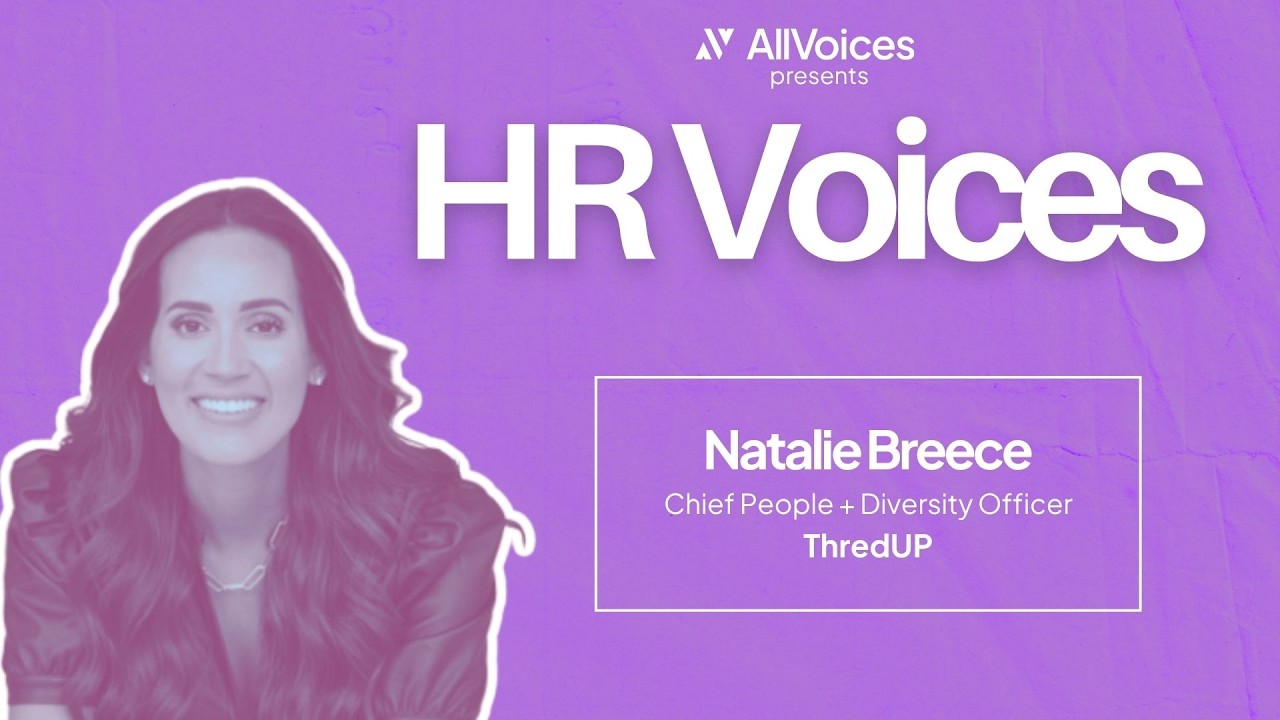
A hiring manager consistently rejects candidates over 50, citing “overqualification” as a retention risk and never mentioning age. HR notices the pattern and has to assess whether the business justification is legitimate or a cover for ADEA violations. Natalie Breece, Chief People and Diversity Officer at thredUP, shows Rebecca Taylor how to separate genuine fit concerns from coded bias, which questions expose a manager's real decision-making, and how to protect both candidates and the organization.
About The Guest
Natalie Breece is Chief People and Diversity Officer at thredUP, the online resale platform, where the people and DEI remits sit with one leader rather than in parallel functions. She works on hiring bias at the level of language — the euphemisms that let a pattern run for months without anyone writing down the thing they actually mean — and on the interview technique that surfaces a manager's real reasoning without turning the conversation into an accusation they will simply deny.
Episode Breakdown

A hiring manager keeps passing on strong candidates with the same note: overqualified, will get bored and leave. He never mentions age. HR notices that the people he rejects are disproportionately over 50. When we sat down with Natalie Breece, Chief People and Diversity Officer at thredUP, for HR Voices, host Rebecca Taylor put that exact scenario on the table.

Natalie fixed on one word in the setup: consistently. A single rejection is a judgment call. A consistent pattern is something HR has to work through on three fronts at once: the manager’s thinking, the legal exposure, and the candidates who may already have been turned away. Natalie’s approach starts with discovery, not accusation, and ends with structure that keeps the word from doing that work at all.

Why “Overqualified” Is a Loaded Word

Natalie calls overqualified a loaded word, and it usually hides more than it explains. It can signal a real retention worry. It can mask imposter syndrome in a manager who fears hiring someone with more reps. It can simply mean the manager expects boredom.

It can also be a cop-out. A manager who cannot say why a candidate feels wrong reaches for the label because it is easy to say and easy to move past. Natalie would ask the same questions the first time it appears; a consistent pattern raises the stakes.

The legal frame is narrow. The federal age discrimination law protects applicants and employees age 40 and older. The EEOC’s overview of age discrimination adds that a practice applied to everyone can still be illegal if it has a negative impact on people 40 or older and is not based on a reasonable factor other than age. The manager never has to say age for the outcome to look like a disparate impact problem.

What HR Is Weighing When the Pattern Surfaces

The scenario is hard because HR has to coach the manager and protect candidates in the same motion. Natalie described teaching the leader and understanding how that leader assesses talent. At the same time, HR has to confirm that qualified candidates were not wronged.

There is a second risk that some HR teams miss at the outset. Once HR starts pulling candidate data, it is also, in Natalie’s words, “effectively investigating that leader.” A manager who spoke candidly about a hiring concern may later read an adverse decision as retaliation for that conversation. Natalie is clear about not being a lawyer and brings the legal team into those determinations.

Then comes the question of who decides. Natalie’s answer is firm: HR should not be making these calls. HR serves up what it learned and the risk it sees, makes a recommendation, and the leader decides. Natalie describes the right posture as an influential partner, a guide, and a consultant. That is the core of the HR business partner role.

What Actually Works

Ask What the First 90 Days Would Look Like

Some HR leaders would open in investigation mode. Natalie starts with curiosity: tell me more, and describe what it would look like if this person worked on your team. Then HR lets the manager talk without interjecting. A sharper version asks what the candidate’s first 90 days would look like, which forces the manager to describe the work instead of a stereotype.

Natalie also guards against two assumptions. One is that the manager is acting on age. The other is that the manager ever received formal interview training.

A manager can even raise the concern with the candidate directly. Natalie offers an example: noting that the job is an individual contributor role and asking why the candidate wants that shift. The candidate gets to answer for themselves. The guess is what creates the risk.

Tie the Retention Argument to Real Turnover Data

The manager’s defense is retention, and data can test it. Rebecca suggested running reports on whether age or experience level predicts who leaves, which turns a gut check into a turnover rate question. Natalie added the candidate side: review who the manager interviewed and hired over the past 12 to 18 months, and see whether the data points to a disparate impact concern that needs action now.

The retention assumption is weaker than most managers think. A 2018 EEOC report on older workers calls the belief that a younger hire will stay longer less likely to hold today. Older workers, it notes, provide more stability and longer tenures on average.

Natalie’s case goes beyond risk. Diversity, in Natalie’s view, includes multigenerational and experiential diversity, a broader definition of diversity than gender or race alone.

Train Managers to Read a Resume Without Writing the Story

Hiring managers tend to gravitate toward candidates who resemble them, often without intending to. The same EEOC report makes that point about interviewers. Natalie treats that pull of unconscious bias as a teaching moment: the best leaders hire people who are smarter and often more experienced than they are.

The fixes are interview guides, interview training, calibration sessions, and education on what managers cannot ask. A structured interview format does much of that work. Compliance training alone falls short, in Natalie’s view, because without the reasoning it becomes “teaching somebody HR language.”

Natalie, who started in talent acquisition, also wants managers taught how to read a resume. Newer interviewers let the resume tell the story instead of using it as a guide, and end up “building the narrative yourself as a hiring manager before you even hear from the candidate.” The remedy is to flip the question from why not hire this person to why hire them. That reframe echoes the big-name resume versus proven operator debate.

Where Employee Relations Fits

The pattern in this scenario surfaced the way many do: in rejection feedback that someone happened to read side by side. No candidate complained. The signal sat across months of individual decisions.

Companies that catch these patterns early keep manager conversations, legal consultations, and recommendations in one documented record. That record shows the manager was heard before any decision. AllVoices HR case management holds that trail in one place, from the first discovery conversation to the recommendation leadership acts on.

Frequently Asked Questions About Overqualified Candidates and Age Discrimination

Is rejecting a candidate as overqualified illegal?

Not by itself. It becomes a legal risk when the label falls disproportionately on applicants 40 and older and no reasonable factor other than age explains it. The EEOC says a practice with that effect can be illegal.

What should HR ask a manager who keeps calling candidates overqualified?

Start with the work. Natalie Breece asks the manager to describe what the candidate’s first 90 days on the team would look like, then lets the manager talk. The answer shows whether the concern is retention, insecurity, or something else.

Can a hiring manager ask a candidate about being overqualified?

Yes, as a question rather than an assumption. Natalie sees nothing wrong with a manager naming the concern, such as asking why someone would move from managing a team to an individual contributor role.

Who decides what happens to the manager?

Leadership does, not HR. In Natalie’s view, HR gathers the facts, brings in legal, and makes a recommendation. The leader then makes the call, and HR stays in the role of partner and guide.

How far back should HR look at a manager’s hiring decisions?

Natalie suggests reviewing who the manager interviewed and hired over the past 12 to 18 months. That window helps show whether rejections cluster by age and whether the risk needs immediate action.

The Bottom Line for HR Leaders

Natalie Breece closed on an assumption about HR itself: that people should fear it. This scenario shows the opposite. The danger is not one loaded word. It is a manager who was never taught to look past it.

The work is curiosity first, data second, and structure after that. Ask what the first 90 days would look like. Check the turnover numbers before accepting the retention story. Flip the question from why not to why. As Natalie put it, “we just want to get it right just like you do.”

See how AllVoices helps People teams document hiring concerns and resolve them before they become claims.

Our next webinar
Frequently asked questions

Got more questions? Email us at support@allvoices.co and we'll respond ASAP.

No items found.
Frequently asked questions

Got more questions? Email us at support@allvoices.co and we'll respond ASAP.

No items found.

Why "Overqualified" Is Often a Cop-Out and a Legal Risk

About the guest

Natalie Breece is Chief People and Diversity Officer at thredUP, the online resale platform, where the people and DEI remits sit with one leader rather than in parallel functions. She works on hiring bias at the level of language — the euphemisms that let a pattern run for months without anyone writing down the thing they actually mean — and on the interview technique that surfaces a manager's real reasoning without turning the conversation into an accusation they will simply deny.

Episode Breakdown

A hiring manager keeps passing on strong candidates with the same note: overqualified, will get bored and leave. He never mentions age. HR notices that the people he rejects are disproportionately over 50. When we sat down with Natalie Breece, Chief People and Diversity Officer at thredUP, for HR Voices, host Rebecca Taylor put that exact scenario on the table.

Natalie fixed on one word in the setup: consistently. A single rejection is a judgment call. A consistent pattern is something HR has to work through on three fronts at once: the manager’s thinking, the legal exposure, and the candidates who may already have been turned away. Natalie’s approach starts with discovery, not accusation, and ends with structure that keeps the word from doing that work at all.

Why “Overqualified” Is a Loaded Word

Natalie calls overqualified a loaded word, and it usually hides more than it explains. It can signal a real retention worry. It can mask imposter syndrome in a manager who fears hiring someone with more reps. It can simply mean the manager expects boredom.

It can also be a cop-out. A manager who cannot say why a candidate feels wrong reaches for the label because it is easy to say and easy to move past. Natalie would ask the same questions the first time it appears; a consistent pattern raises the stakes.

The legal frame is narrow. The federal age discrimination law protects applicants and employees age 40 and older. The EEOC’s overview of age discrimination adds that a practice applied to everyone can still be illegal if it has a negative impact on people 40 or older and is not based on a reasonable factor other than age. The manager never has to say age for the outcome to look like a disparate impact problem.

What HR Is Weighing When the Pattern Surfaces

The scenario is hard because HR has to coach the manager and protect candidates in the same motion. Natalie described teaching the leader and understanding how that leader assesses talent. At the same time, HR has to confirm that qualified candidates were not wronged.

There is a second risk that some HR teams miss at the outset. Once HR starts pulling candidate data, it is also, in Natalie’s words, “effectively investigating that leader.” A manager who spoke candidly about a hiring concern may later read an adverse decision as retaliation for that conversation. Natalie is clear about not being a lawyer and brings the legal team into those determinations.

Then comes the question of who decides. Natalie’s answer is firm: HR should not be making these calls. HR serves up what it learned and the risk it sees, makes a recommendation, and the leader decides. Natalie describes the right posture as an influential partner, a guide, and a consultant. That is the core of the HR business partner role.

What Actually Works

Ask What the First 90 Days Would Look Like

Some HR leaders would open in investigation mode. Natalie starts with curiosity: tell me more, and describe what it would look like if this person worked on your team. Then HR lets the manager talk without interjecting. A sharper version asks what the candidate’s first 90 days would look like, which forces the manager to describe the work instead of a stereotype.

Natalie also guards against two assumptions. One is that the manager is acting on age. The other is that the manager ever received formal interview training.

A manager can even raise the concern with the candidate directly. Natalie offers an example: noting that the job is an individual contributor role and asking why the candidate wants that shift. The candidate gets to answer for themselves. The guess is what creates the risk.

Tie the Retention Argument to Real Turnover Data

The manager’s defense is retention, and data can test it. Rebecca suggested running reports on whether age or experience level predicts who leaves, which turns a gut check into a turnover rate question. Natalie added the candidate side: review who the manager interviewed and hired over the past 12 to 18 months, and see whether the data points to a disparate impact concern that needs action now.

The retention assumption is weaker than most managers think. A 2018 EEOC report on older workers calls the belief that a younger hire will stay longer less likely to hold today. Older workers, it notes, provide more stability and longer tenures on average.

Natalie’s case goes beyond risk. Diversity, in Natalie’s view, includes multigenerational and experiential diversity, a broader definition of diversity than gender or race alone.

Train Managers to Read a Resume Without Writing the Story

Hiring managers tend to gravitate toward candidates who resemble them, often without intending to. The same EEOC report makes that point about interviewers. Natalie treats that pull of unconscious bias as a teaching moment: the best leaders hire people who are smarter and often more experienced than they are.

The fixes are interview guides, interview training, calibration sessions, and education on what managers cannot ask. A structured interview format does much of that work. Compliance training alone falls short, in Natalie’s view, because without the reasoning it becomes “teaching somebody HR language.”

Natalie, who started in talent acquisition, also wants managers taught how to read a resume. Newer interviewers let the resume tell the story instead of using it as a guide, and end up “building the narrative yourself as a hiring manager before you even hear from the candidate.” The remedy is to flip the question from why not hire this person to why hire them. That reframe echoes the big-name resume versus proven operator debate.

Where Employee Relations Fits

The pattern in this scenario surfaced the way many do: in rejection feedback that someone happened to read side by side. No candidate complained. The signal sat across months of individual decisions.

Companies that catch these patterns early keep manager conversations, legal consultations, and recommendations in one documented record. That record shows the manager was heard before any decision. AllVoices HR case management holds that trail in one place, from the first discovery conversation to the recommendation leadership acts on.

Frequently Asked Questions About Overqualified Candidates and Age Discrimination

Is rejecting a candidate as overqualified illegal?

Not by itself. It becomes a legal risk when the label falls disproportionately on applicants 40 and older and no reasonable factor other than age explains it. The EEOC says a practice with that effect can be illegal.

What should HR ask a manager who keeps calling candidates overqualified?

Start with the work. Natalie Breece asks the manager to describe what the candidate’s first 90 days on the team would look like, then lets the manager talk. The answer shows whether the concern is retention, insecurity, or something else.

Can a hiring manager ask a candidate about being overqualified?

Yes, as a question rather than an assumption. Natalie sees nothing wrong with a manager naming the concern, such as asking why someone would move from managing a team to an individual contributor role.

Who decides what happens to the manager?

Leadership does, not HR. In Natalie’s view, HR gathers the facts, brings in legal, and makes a recommendation. The leader then makes the call, and HR stays in the role of partner and guide.

How far back should HR look at a manager’s hiring decisions?

Natalie suggests reviewing who the manager interviewed and hired over the past 12 to 18 months. That window helps show whether rejections cluster by age and whether the risk needs immediate action.

The Bottom Line for HR Leaders

Natalie Breece closed on an assumption about HR itself: that people should fear it. This scenario shows the opposite. The danger is not one loaded word. It is a manager who was never taught to look past it.

The work is curiosity first, data second, and structure after that. Ask what the first 90 days would look like. Check the turnover numbers before accepting the retention story. Flip the question from why not to why. As Natalie put it, “we just want to get it right just like you do.”

See how AllVoices helps People teams document hiring concerns and resolve them before they become claims.